Researchers from HTWK Leipzig provided insights from their research at the ‘Kompetenz:Revier’ practical workshop in Cottbus – a review
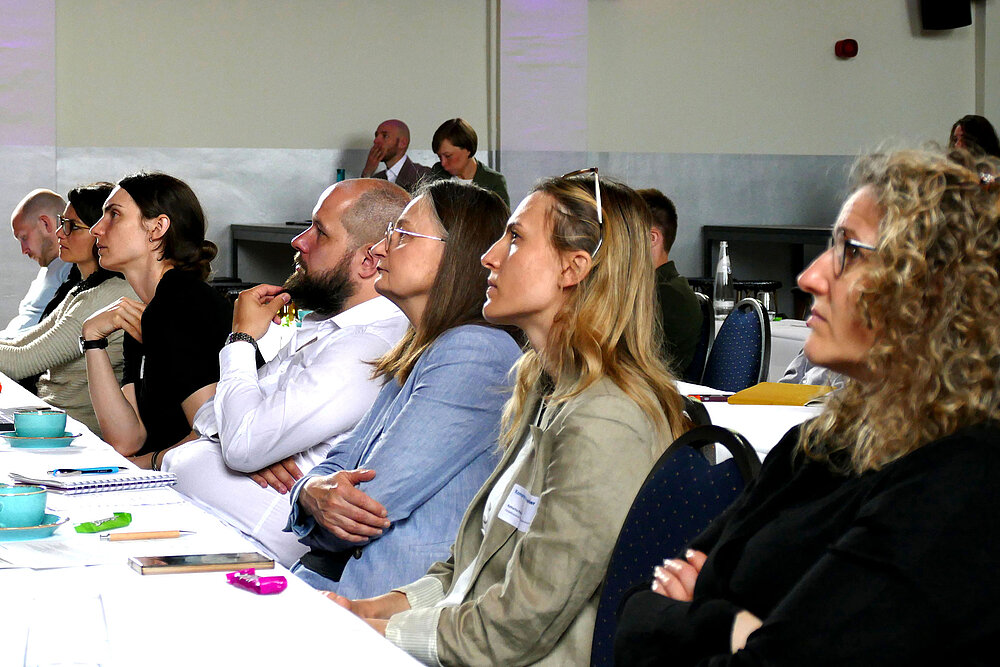
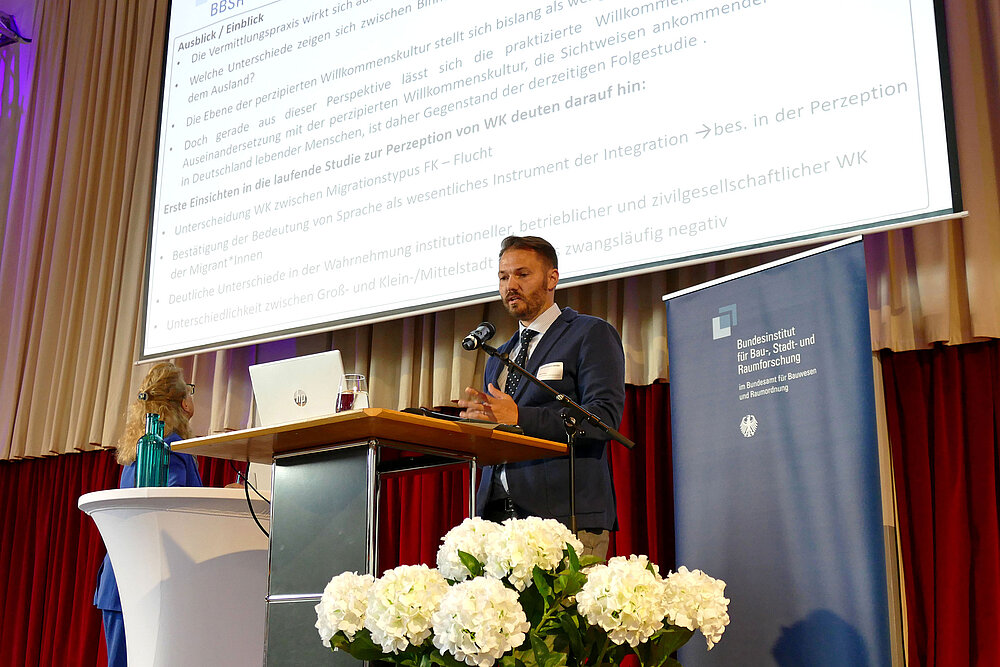
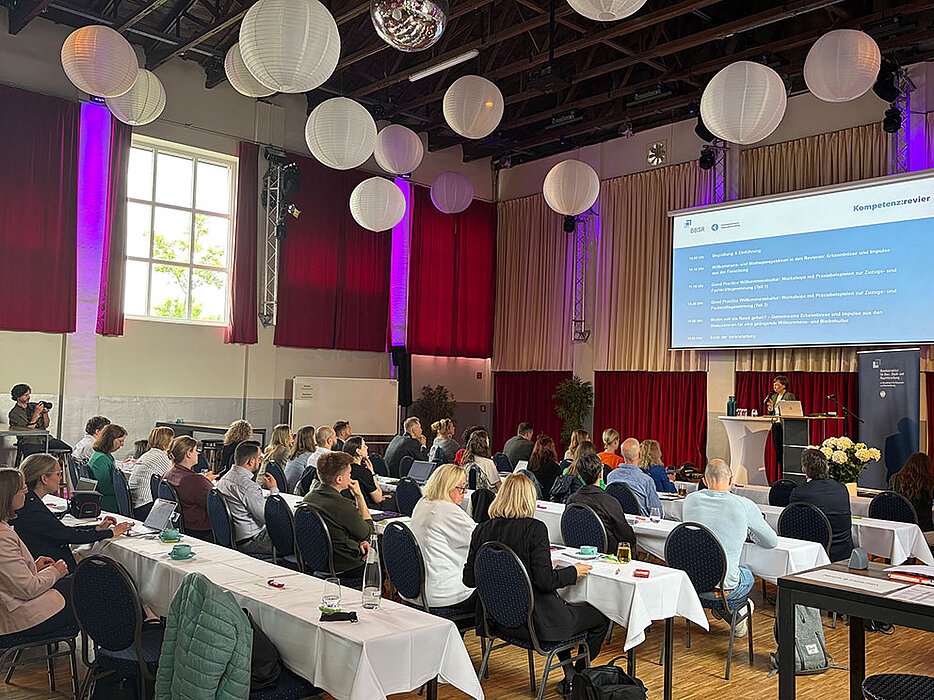
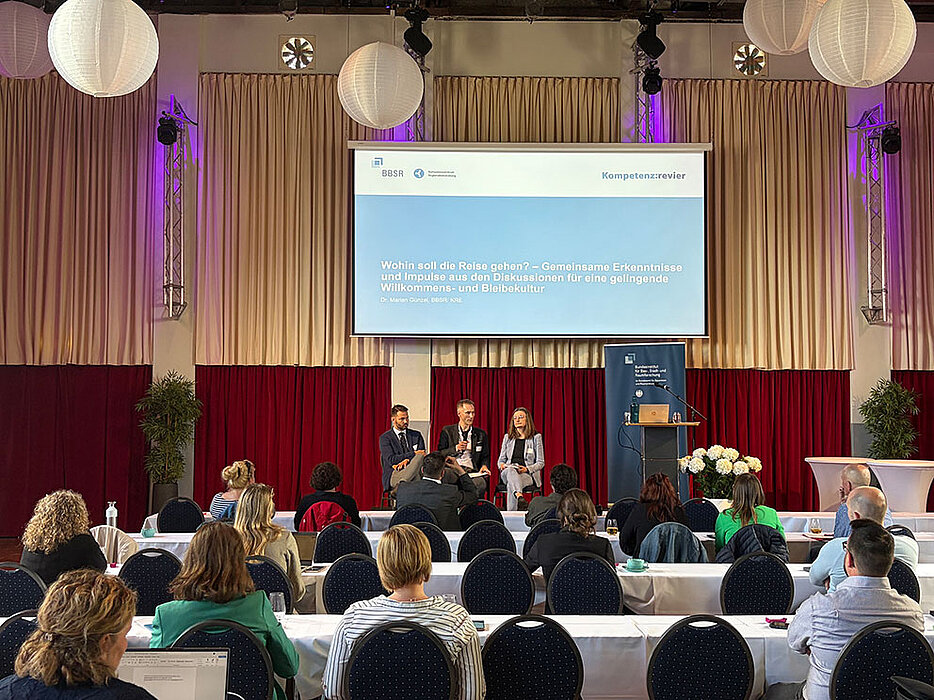
As part of the practical initiative ‘Kompetenz:Revier – Shaping Local Cohesion: A Culture of Welcome and Retention in the Mining Regions’, stakeholders from academia, politics, public administration and regional practice gathered in Cottbus on 20 May 2026 to discuss prospects for sustainable regions undergoing structural change. The focus was on issues relating to securing a skilled workforce, attracting new residents and ensuring people’s long-term retention in the lignite-mining regions. The event was organised by the Centre of Excellence for Regional Development (KRE) at the Federal Institute for Research on Building, Urban Affairs and Spatial Development (BBSR).
Lectures and interactive workshops
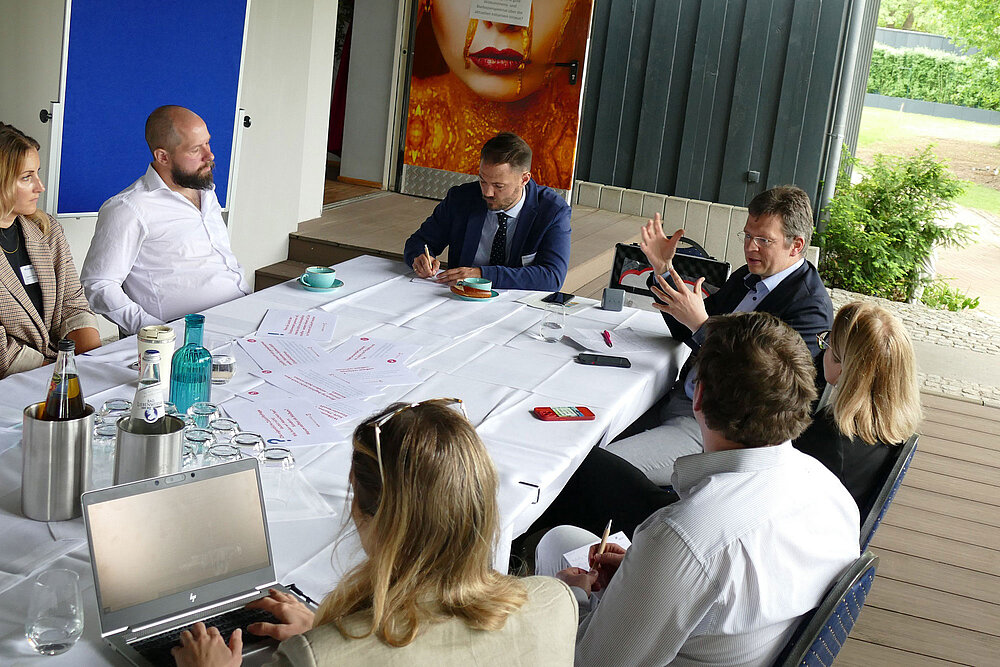
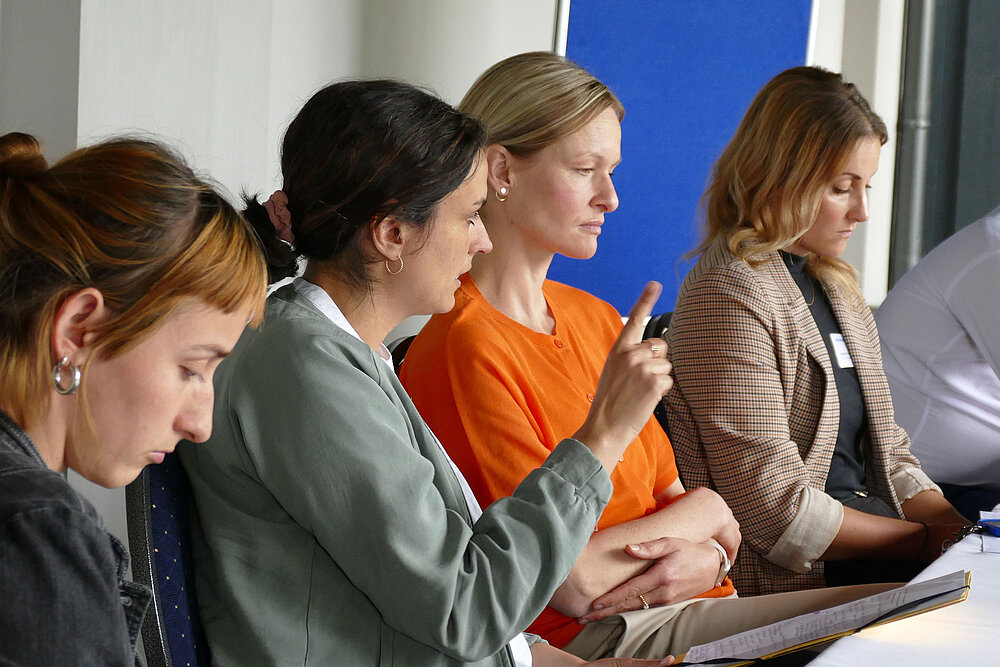
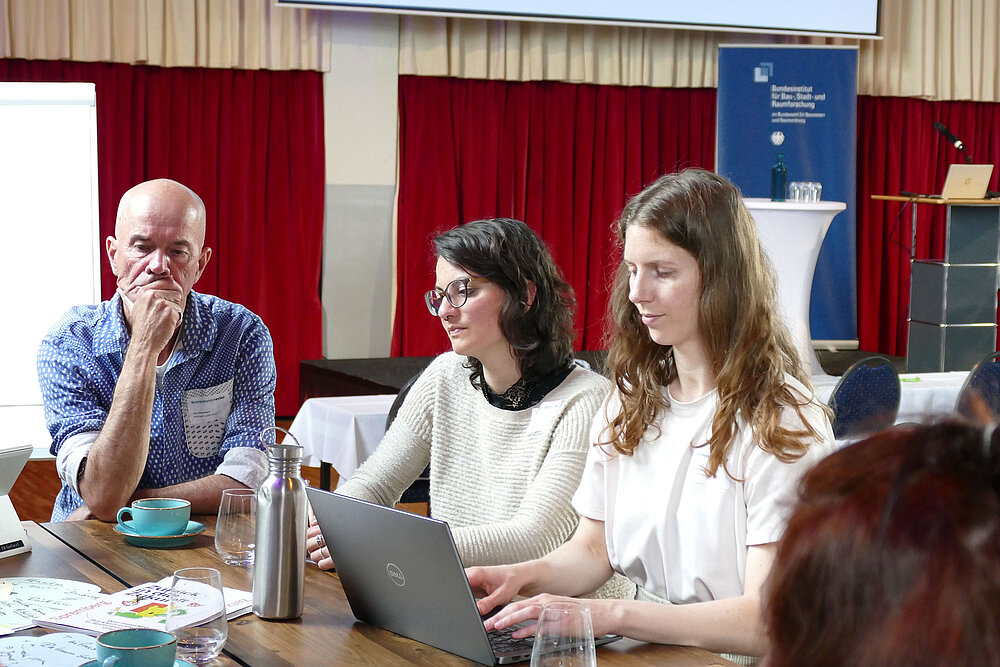
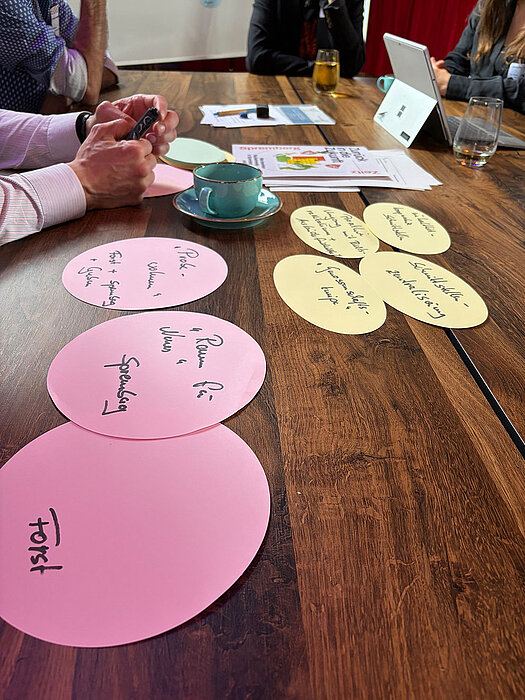
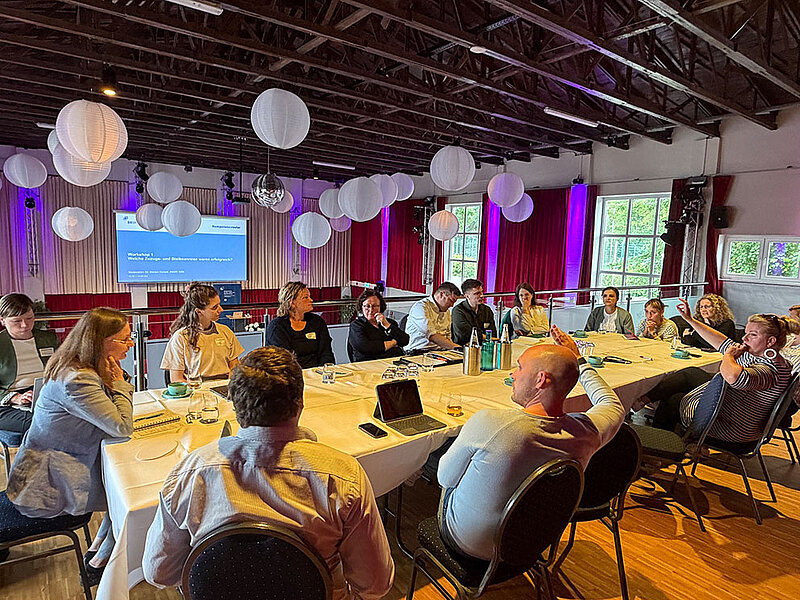
Hanna Fischer and Dr Nadine Marmai from the research team led by Prof. Dr Rüdiger Wink at HTWK Leipzig took part in the event. The event provided a forum where academic insights from research were specifically combined with experiences from regional initiatives and local government practice. In interactive workshops, participants discussed the factors contributing to a welcoming and inclusive culture, the challenges of recruiting skilled workers, and concrete courses of action for the regions. Dr Marmai contributed a brief expert presentation and, using the Saxony-Anhalt section of the Central German Mining Region as an example, highlighted the importance of networks, (international) immigration, and the maintenance and expansion of education and training structures are for economic transformation in areas undergoing structural change, despite a shrinking working-age population.
A dialogue between science and practice
Representatives from the fields of regional development, business development and public administration discussed approaches to strengthening social integration, a sense of regional identity and attractive prospects for the future in regions undergoing transformation. The event thus provided a platform for academia to engage directly with practitioners and policymakers.
Photo highlights