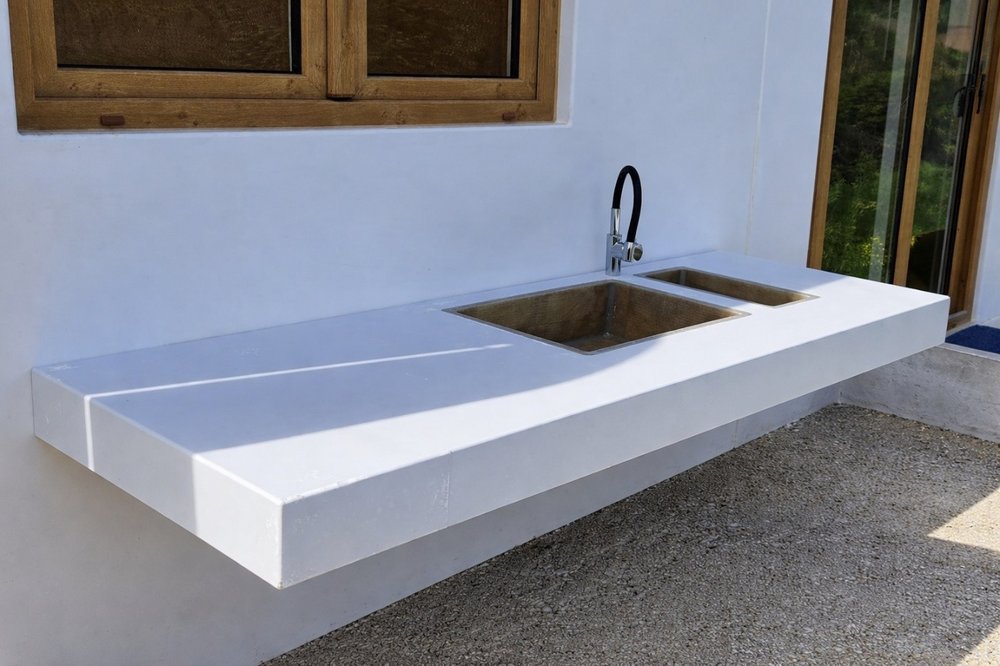
As part of the EU project EuReComp, HTWK Leipzig worked with project partners in Portugal to develop new applications for recycled composite materials
From 21 February to 15 March 2026, Dimitrij Seibert from the Composite Circularity Lab at HTWK Leipzig was a guest at the project partner APM in Lagos, Portugal. Whilst there, he worked closely with the Portuguese team, exchanged ideas on materials and processes, and jointly developed new applications for recycled composite materials.
EuReComp: European Cooperation for the Circular Economy
The visit took place as part of the EU project EuReComp. The project is part of the Horizon Europe research programme and runs from April 2022 to March 2026. It brings together the expertise of research institutions and companies from across Europe. The aim is to develop solutions for managing large composite components, such as those used in wind turbines or the aviation industry. These components are particularly durable but, at the end of their useful life, pose a major challenge for recycling and reuse.
Through approaches outlined in the R6 strategy – such as Reuse, Repair, Refurbish, Remanufacture, Repurpose and Recycling – the aim is to keep materials in the usage cycle for as long as possible and to reuse them in new applications. In this way, new products with high added value are created from what would otherwise be considered waste.
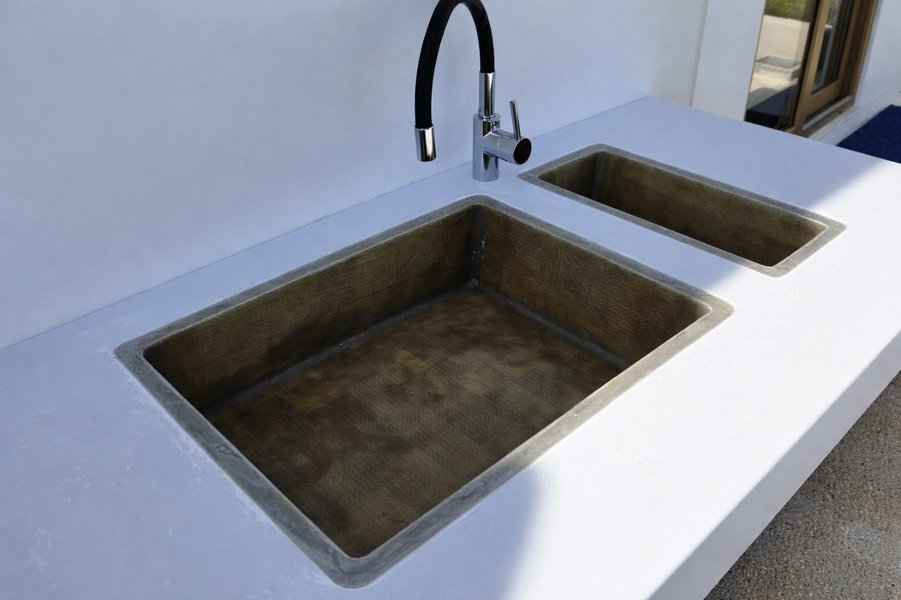
Outdoor kitchen made from end-of-life rotor blade material
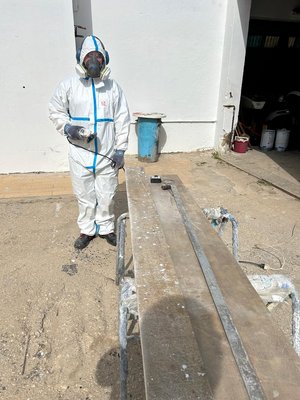
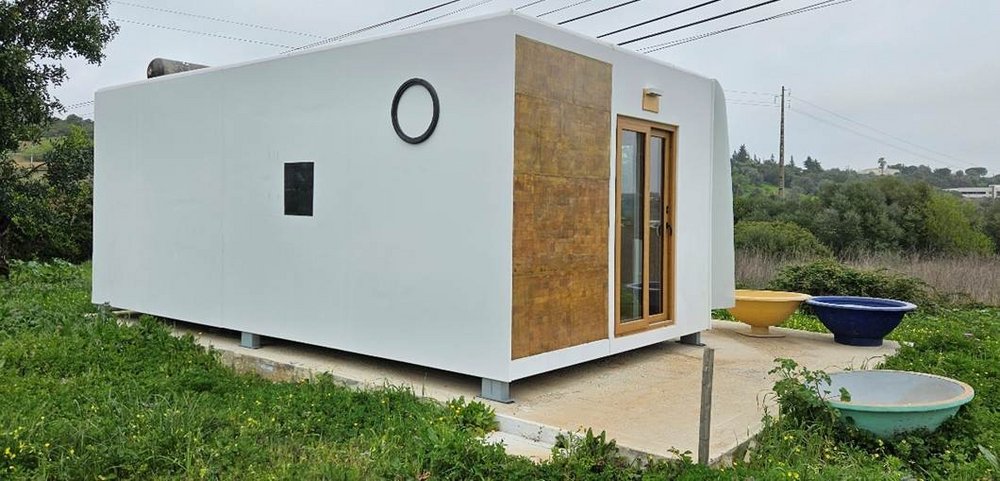
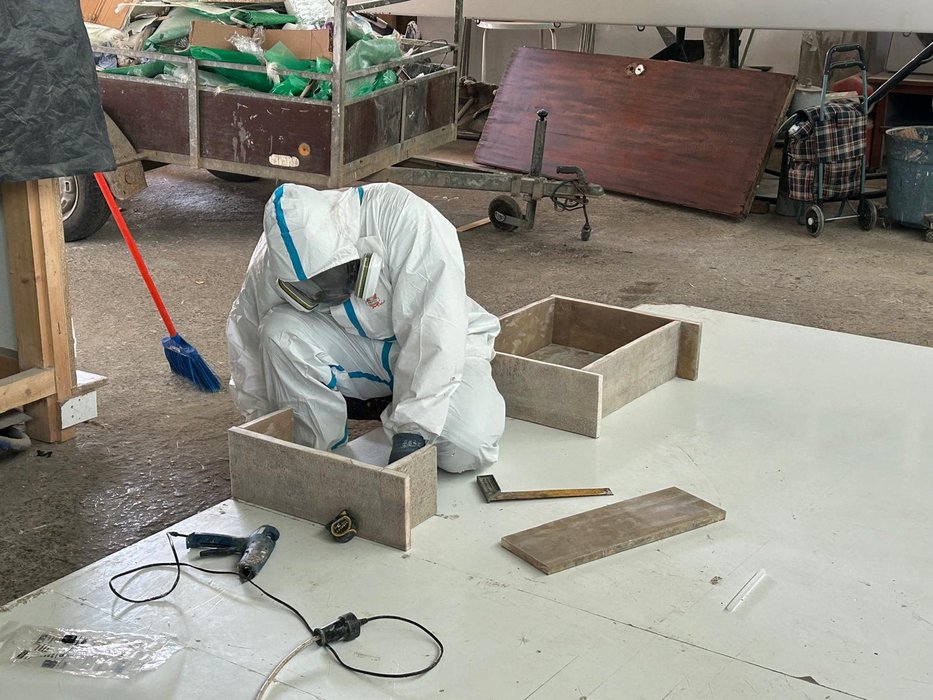
A striking example emerged during the stay in Portugal. Together with APM, Seibert produced an outdoor kitchen for the Rocca tiny house developed as part of the project. The material used was a disused rotor blade. The material was processed using hand-lamination and vacuum infusion techniques and reshaped into a new form. The demonstrator shows how complex composite materials can be reused in a targeted manner and what design possibilities this opens up.
At the same time, the visit strengthened the spirit of partnership within the project. Direct on-site exchanges make it easier to share experiences, coordinate processes and develop new ideas. This once again highlights the importance of cross-site knowledge and technology transfer within European research projects.