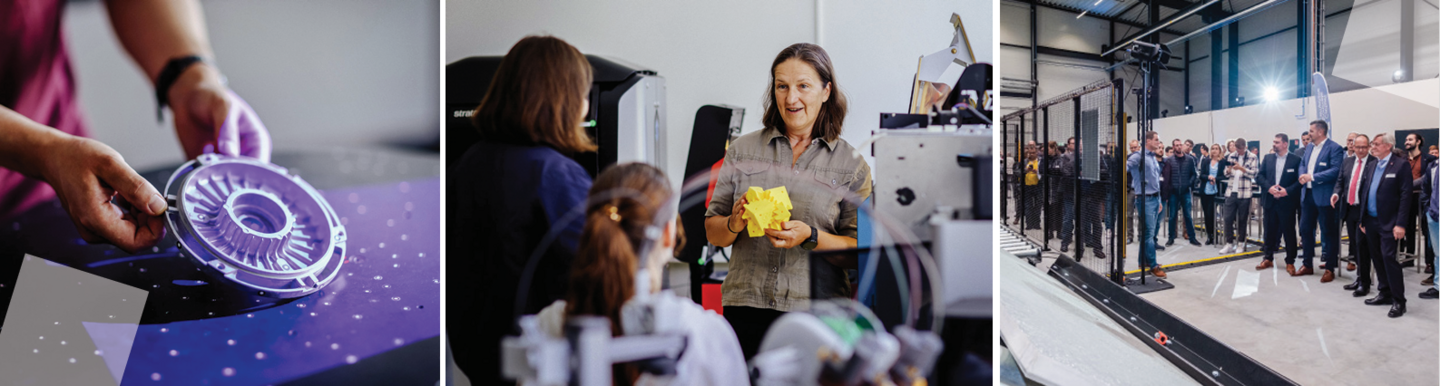
The MultimaterialAdditiveManufacturing research area generates cross-faculty research ideas, identifies synergies and enables the use of research equipment for interested scientists at HTWK Leipzig and external parties.
The Multimaterial AM research area also links the cross-faculty Leipzig Centre of Materials Science with the Institute for Printing, Packaging and Processing (iP3) at the Faculty of Computer Science and Media, which has been researching the application of additive manufacturing processes in the context of traditional printing and packaging technology for many years.
Forschungs- & Entwicklungsschwerpunkte
- Multimaterial- und Hybridfertigung durch additive MEX, Inkjet und Pulverbett-Verfahren
- Entwicklung funktionalisierter Bauteile mit integrierten mechanischen, elektrischen oder biologischen Eigenschaften
- Bioprinting, Tissue Engineering zur Herstellung biofunktionaler Strukturen
- Leichtbaufertigung durch additive Fertigungstechnologien
- Entwicklung und Charakterisierung neuer Werkstoffe für die additive Fertigung
- Prozessentwicklung und -optimierung auf Basis von Materialcharakterisierung, Prozessmonitoring und Simulation
- Datengenerierung und -verarbeitung für additive Prozesse
- Betrachtung und Optimierung der Nachhaltigkeit additiver Fertigungsprozesse
Ausbildung für Forschung und Industrie der Zukunft
Lehre und Ausbildung bilden einen zentralen Grundstein des Forschungsbereichs AM³. Der Studiengang „3D-Druck & Funktionale Oberflächen“ bildet gezielt junge Talente aus, die für Forschung, Entwicklung und den erfolgreichen Technologietransfer in die Industrie benötigt werden.
3D-Druck ist eine Schlüsseltechnologie der Zukunft, mit der sich komplexe Strukturen von Mikrobauteilen bis hin zu großskaligen Anwendungen wie Filmkulissen oder technischen Komponenten realisieren lassen. Durch den schichtweisen Aufbau entstehen Geometrien, die mit klassischen Verfahren kaum oder nicht herstellbar sind. Gleichzeitig ermöglicht die additive Fertigung einen ressourceneffizienten Materialeinsatz, da nur dort Material verwendet wird, wo es funktional erforderlich ist.
Im Studium wird die gesamte Prozesskette von der Konstruktion über die Materialauswahl bis zum fertigen Bauteil vermittelt. Studierende lernen, wie unterschiedliche Werkstoffe kombiniert und Druckprozesse gesteuert werden, um funktionale und intelligente Systeme zu entwickeln. Ergänzend wird das beschichtungstechnische Know-how des 3D-Drucks auf 2D-Anwendungen übertragen, etwa für funktionalisierte Oberflächen, gedruckte Elektronik oder medizinische Anwendungen. So entstehen Lösungen für Bereiche wie Verpackungstechnik, Elektronik und Medizintechnik, in denen präzise aufgebrachte Schichten eine zentrale Rolle spielen.
Der Studiengang vermittelt damit umfassende Kompetenzen zur Entwicklung und Optimierung additiver 2D- und 3D-Druckprozesse in der industriellen Anwendung. Diese Kompetenzen sind für die Weiterentwicklung der additiven Fertigung von entscheidender Bedeutung, da sie die Grundlage für innovative Materialien, stabile Prozesse und übertragbare industrielle Anwendungen bilden.
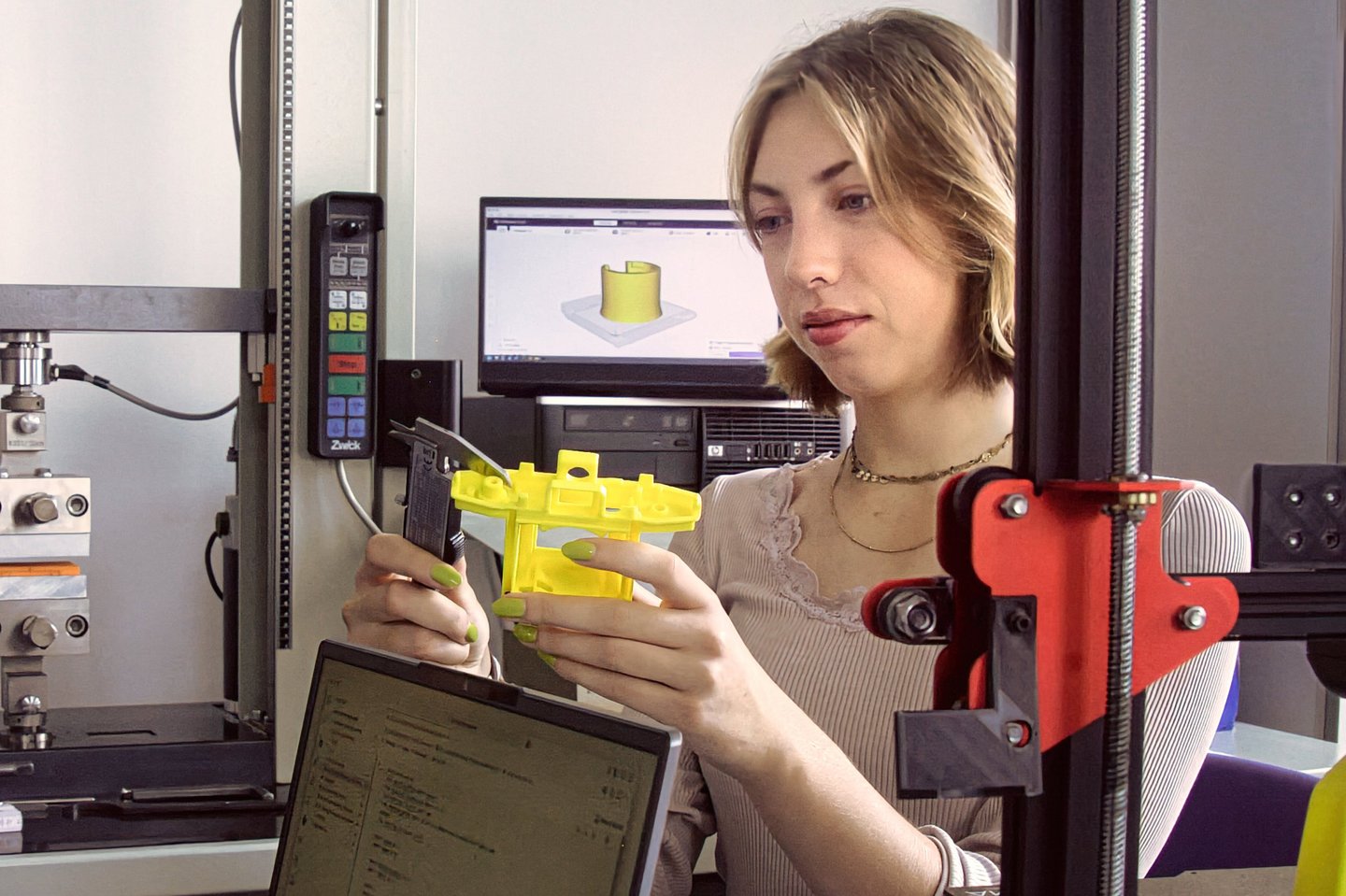
AM³-Labor
Das neue, von der Deutschen Forschungsgemeinschaft geförderte „Additive Multimaterial Manufacturing (AM3)“-Labor bildet die künftige Basis für erkenntnisorientierte Forschung an vollintegrierten, multimaterialfähigen Fertigungsprozessen – mit Anwendungen in Wirtschaftszweigen wie Maschinen- und Anlagenbau, gedruckter Elektronik oder medizinischer Sensorik und Diagnostik.
Eröffnung des neuen AM³-Labors am 10. Juni 2026
Das neue AM³-Labor wird am Mittwoch, den 10. Juni 2026, im Rahmen der Netzwerkveranstaltung “Forschung trifft …” eröffnet.
Vorgelagert findet ab 11:00 Uhr das begleitende Fachsymposium „Additive Multimaterial Manufacturing“ mit Stimmen aus Wissenschaft und Wirtschaft statt.
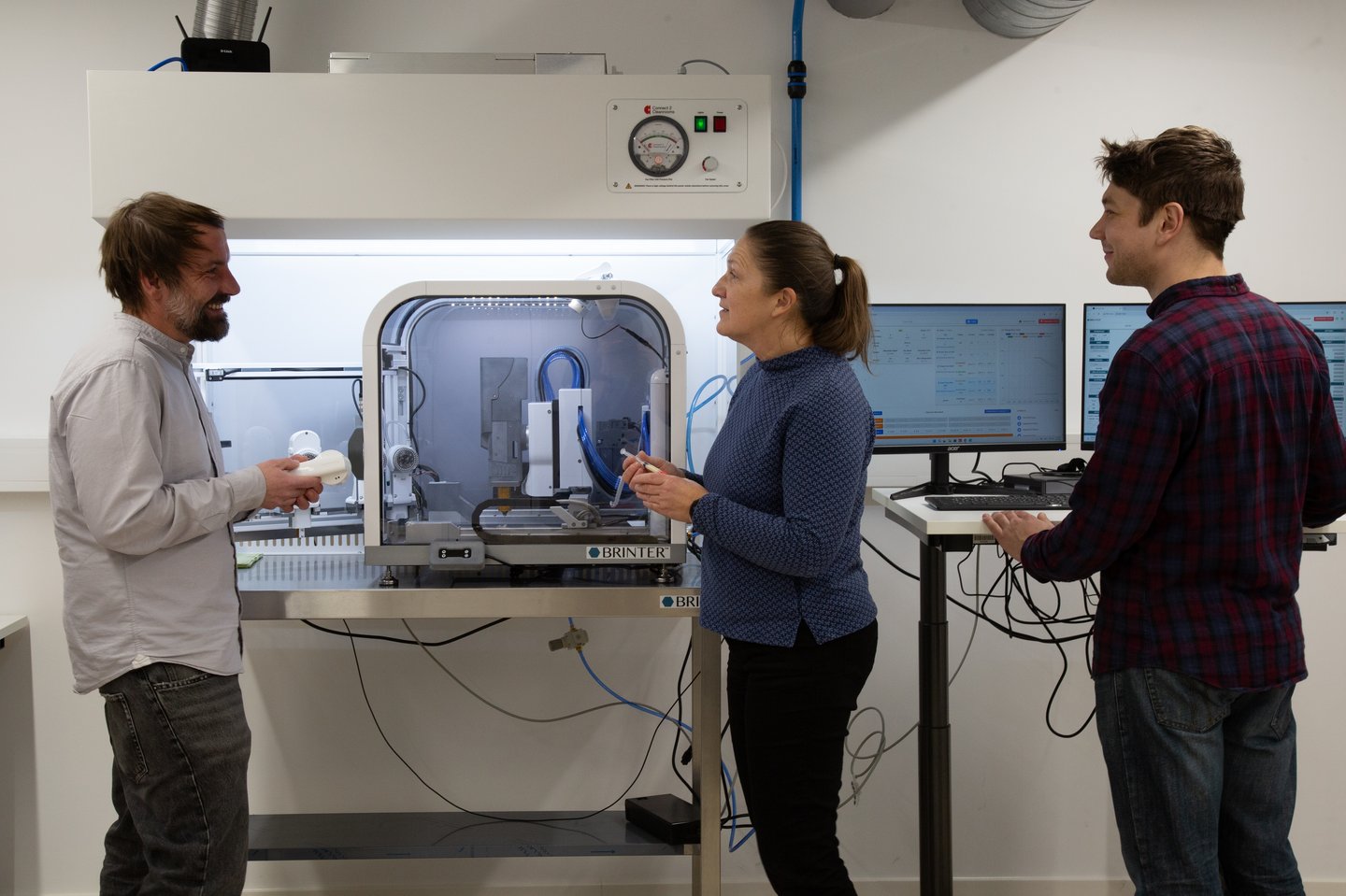
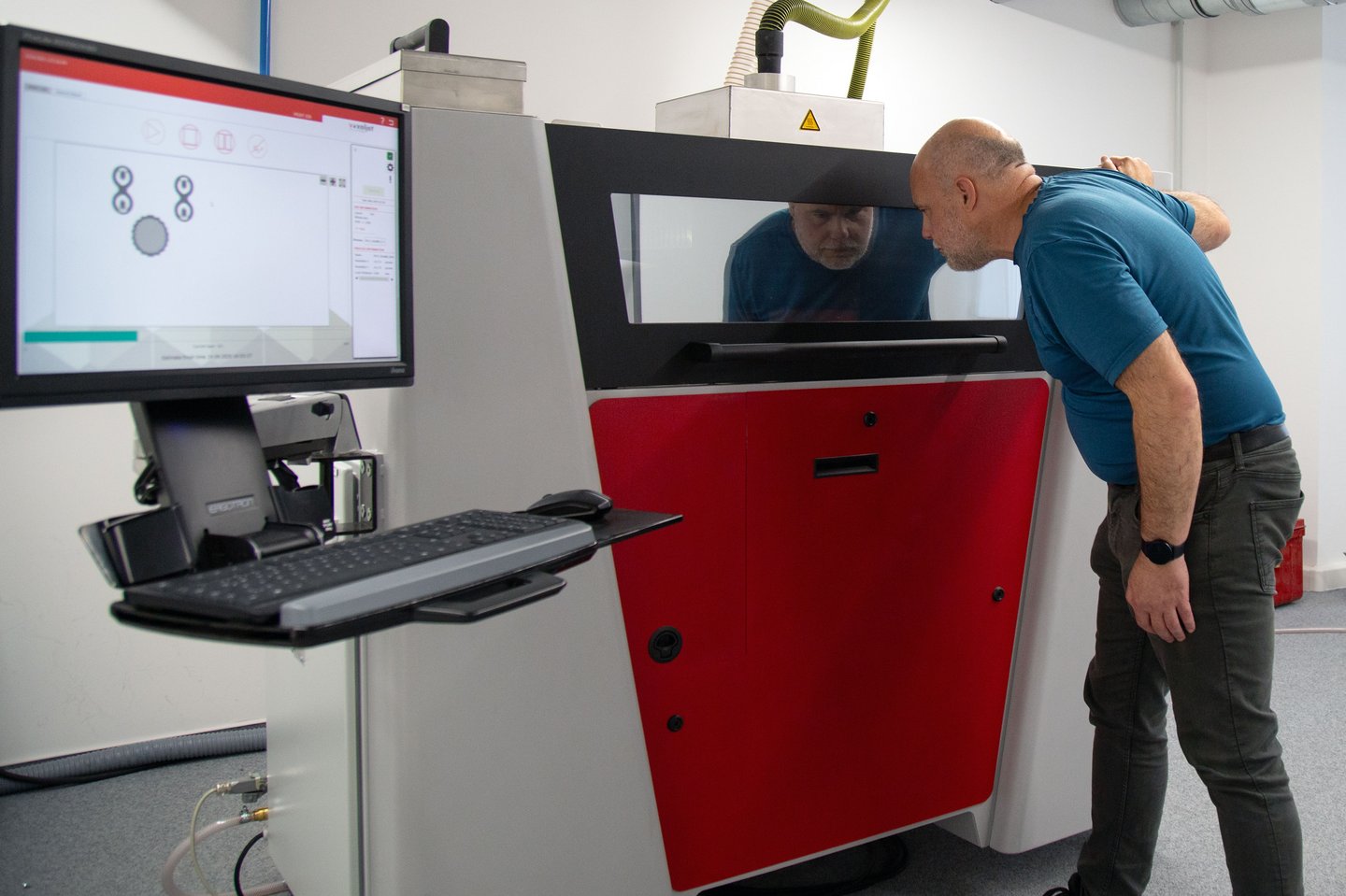
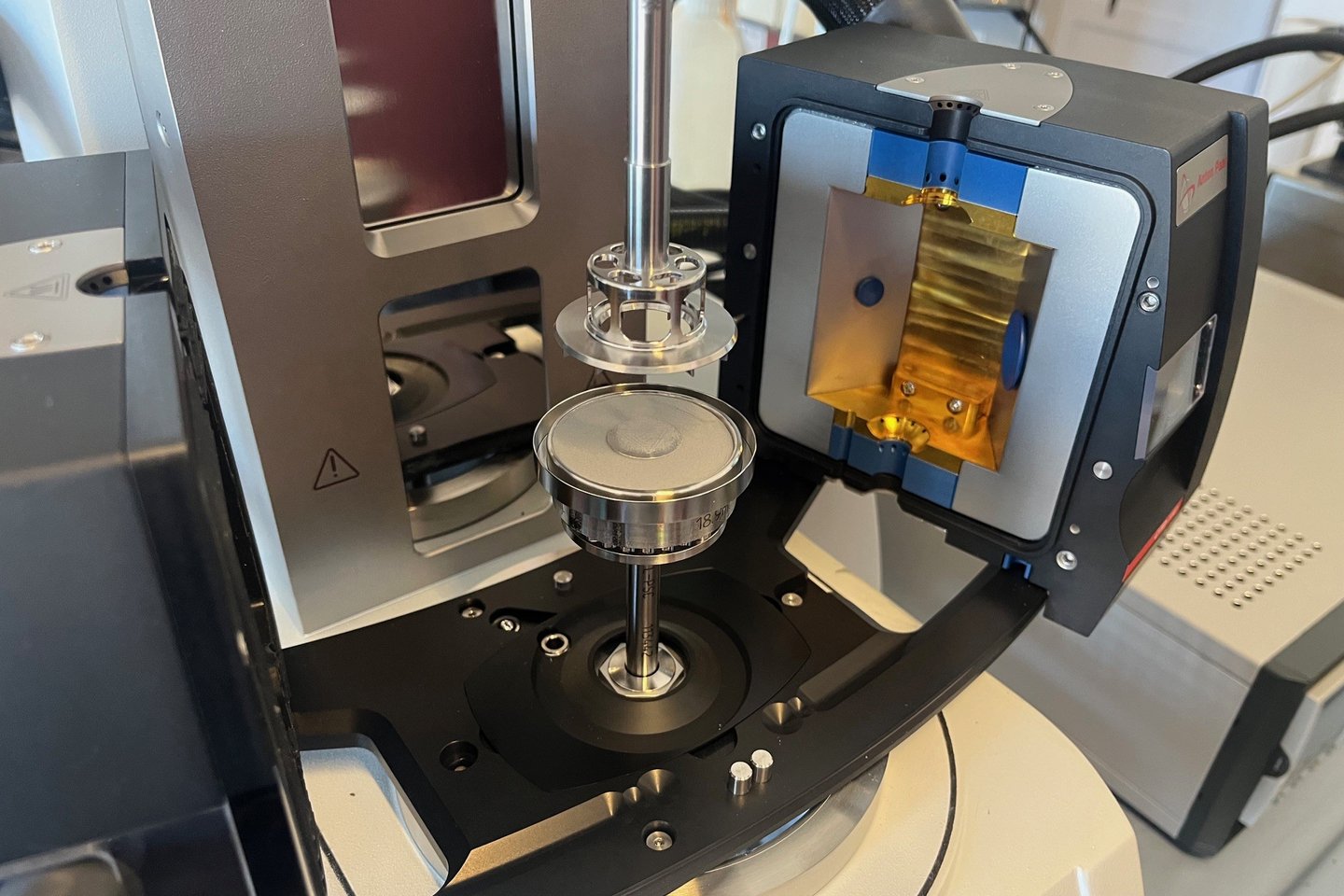
Research equipment
Forschungsprojekte
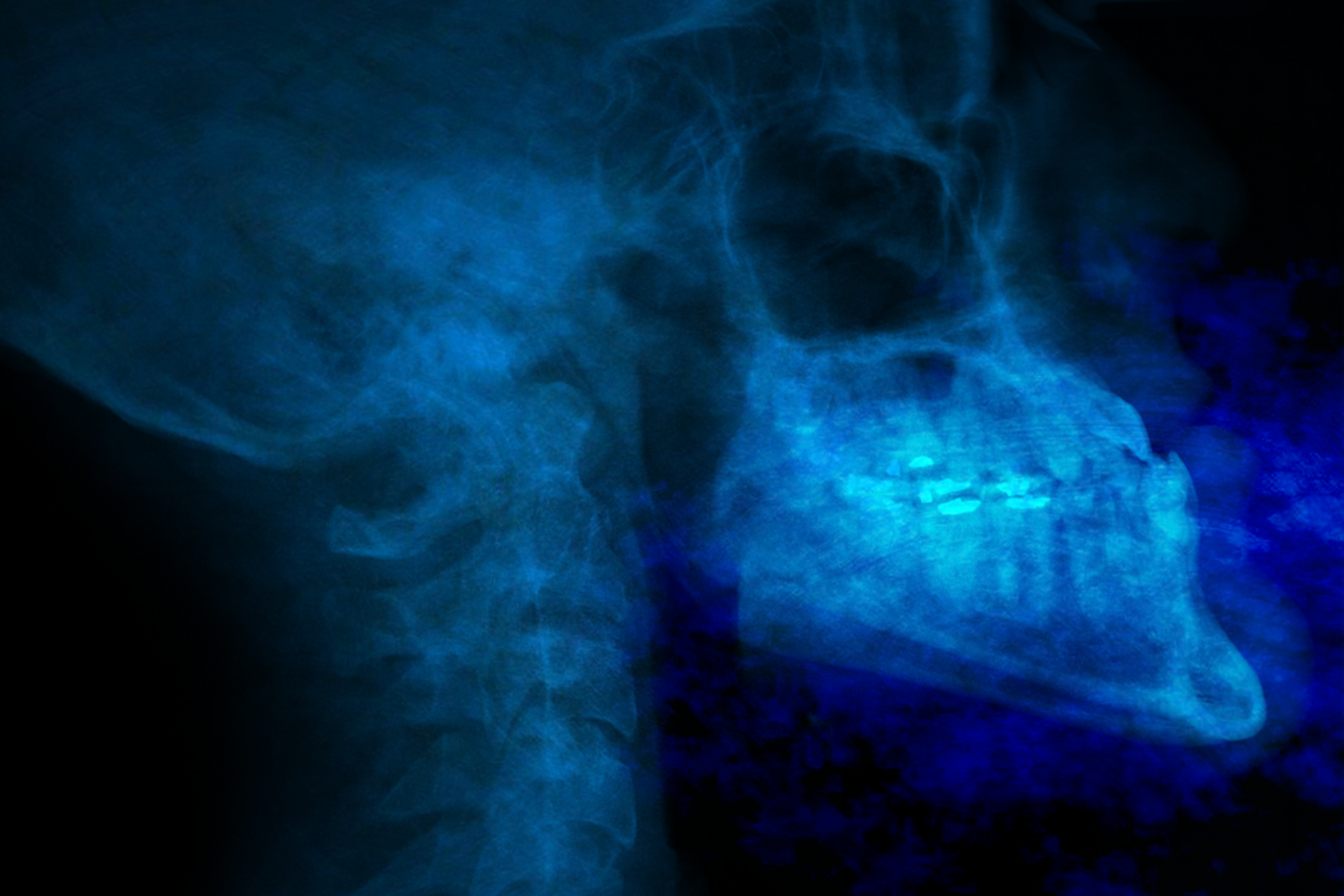
Development of a system for planning and osteosynthesis in orthognathic surgery based on anatomically preformed osteosynthesis plates and planning software
Within the project, a system for comprehensive planning, simulation and surgical treatment in orthognathic surgery is being developed. A central component of this is three-dimensionally preformed osteosynthesis plates for each area of application in orthognathic surgery of the human upper and lower jaw as well as the chin area, which enable simple and reliable intraoperative implementation of surgical planning.
Funding: ZIM of the BMWi (VDI project management organisation)
Project partners: Prof. Martin Gürtler (HTWK Leipzig), Anton HIPP GmbH
Project duration: 10/2020 - 06/2022
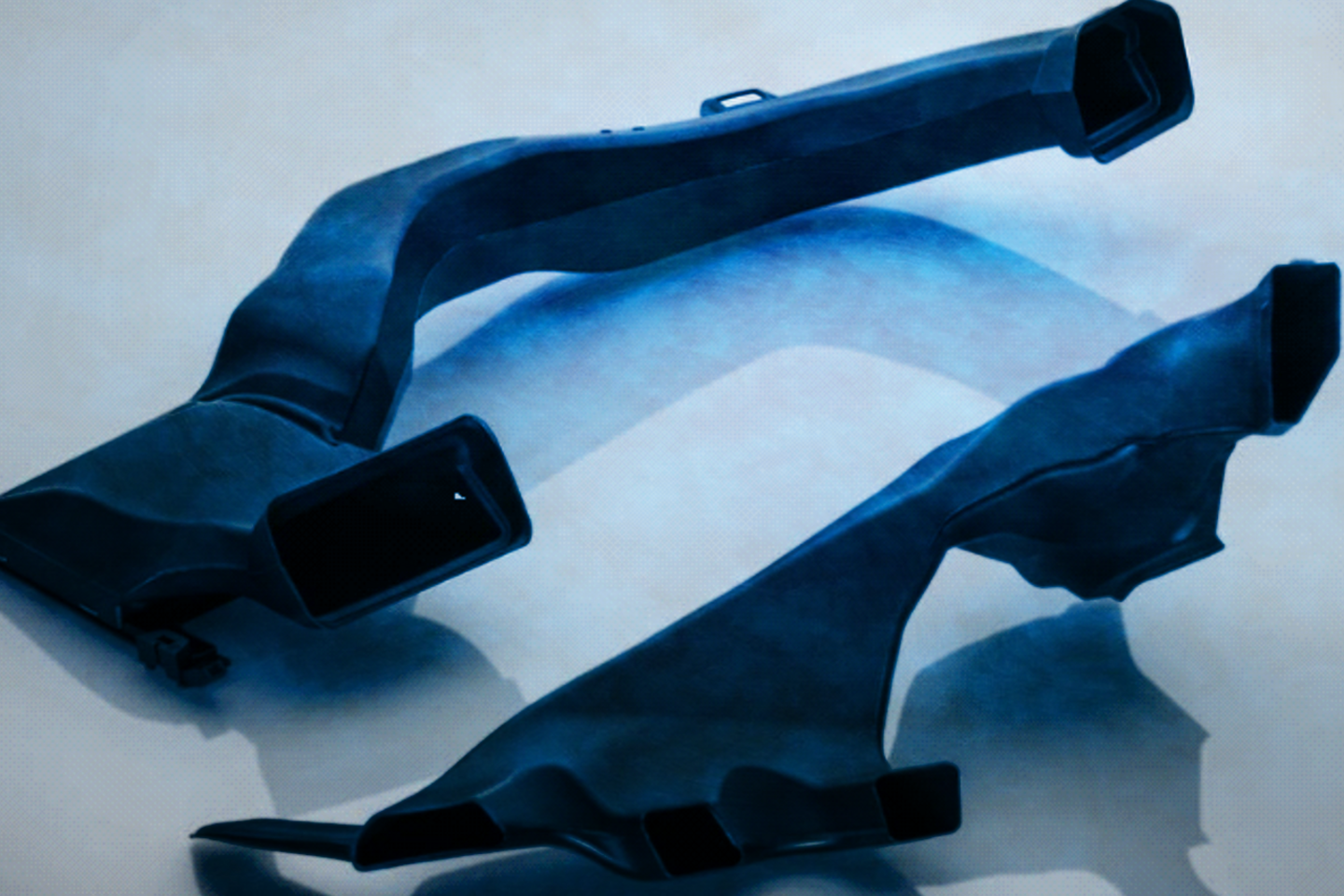
Development and validation of additive manufacturing strategies for the function- and geometry-preserving implementation of effective absorber structures in cable and housing components
The project is developing structures and manufacturing strategies that enable the additive manufacturing of components with an integrated sound attenuation function. This results in physically resilient components with reproducible and predictable damping properties.
Funding: ZIM of the BMWi (project management organisation AiF)
Project partner: Gesellschaft für Akustikforschung Dresden mbH
Project duration: 04/2020 - 10/2022

Investigating the biocompatibility of generatively manufactured components
As part of the biocompatibility test, this project is investigating the cytotoxicity of various typical materials used in additive manufacturing from several processes.
Project partner: Fraunhofer Institute for Cell Therapy and Immunology e.V.
Project duration: 12/2020 - 12/2021

Novel embossing moulds with intrinsic, multidimensional property gradients
The aim is to develop new types of embossing moulds that can be produced for the first time using a combination of additive manufacturing processes and subtractive laser engraving. The additive structure offers completely new options for equipping the tool with geometrically highly variable, mould-optimised 3D embossing structures and specifically influencing the embossing properties of the tool.
Funding: ZIM of the BMWi (VDI project management organisation)
Project partner: SWG - Sächsische Walzengravur GmbH
Project duration: 06/2019 - 12/2021
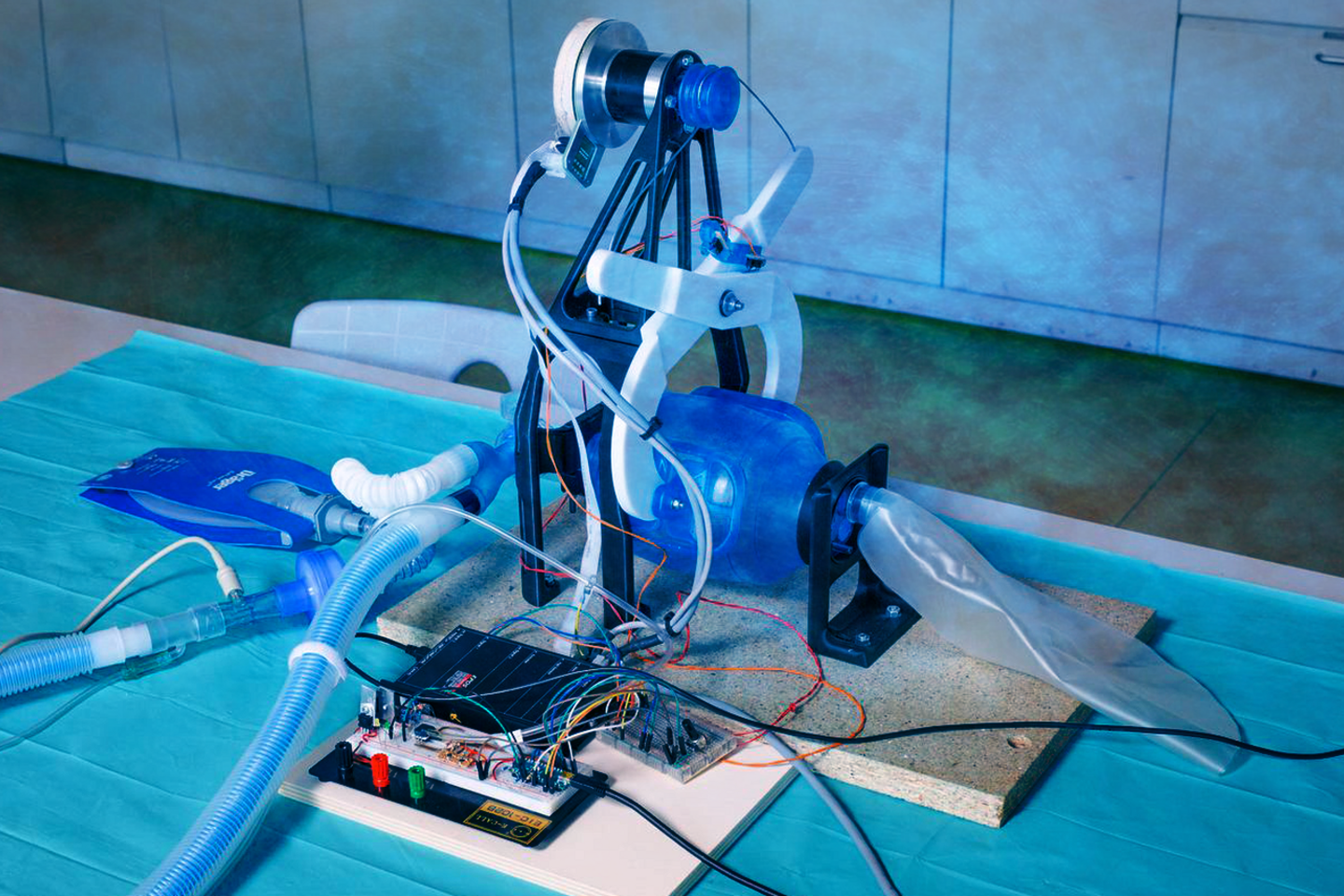
Development of an emergency ventilator to provide support during the Covid19 pandemic
An emergency ventilator was developed based on medical technology components available in the pandemic situation at the time, as well as freely available third-party components and additively manufacturable parts. The aim was to enable life-saving care for Covid19 intensive care patients in overcrowded intensive care units and the associated lack of professional equipment.
Project of an internally formed working group, without funding, cooperation with the company
Project duration: 04/2020 - 06/2020
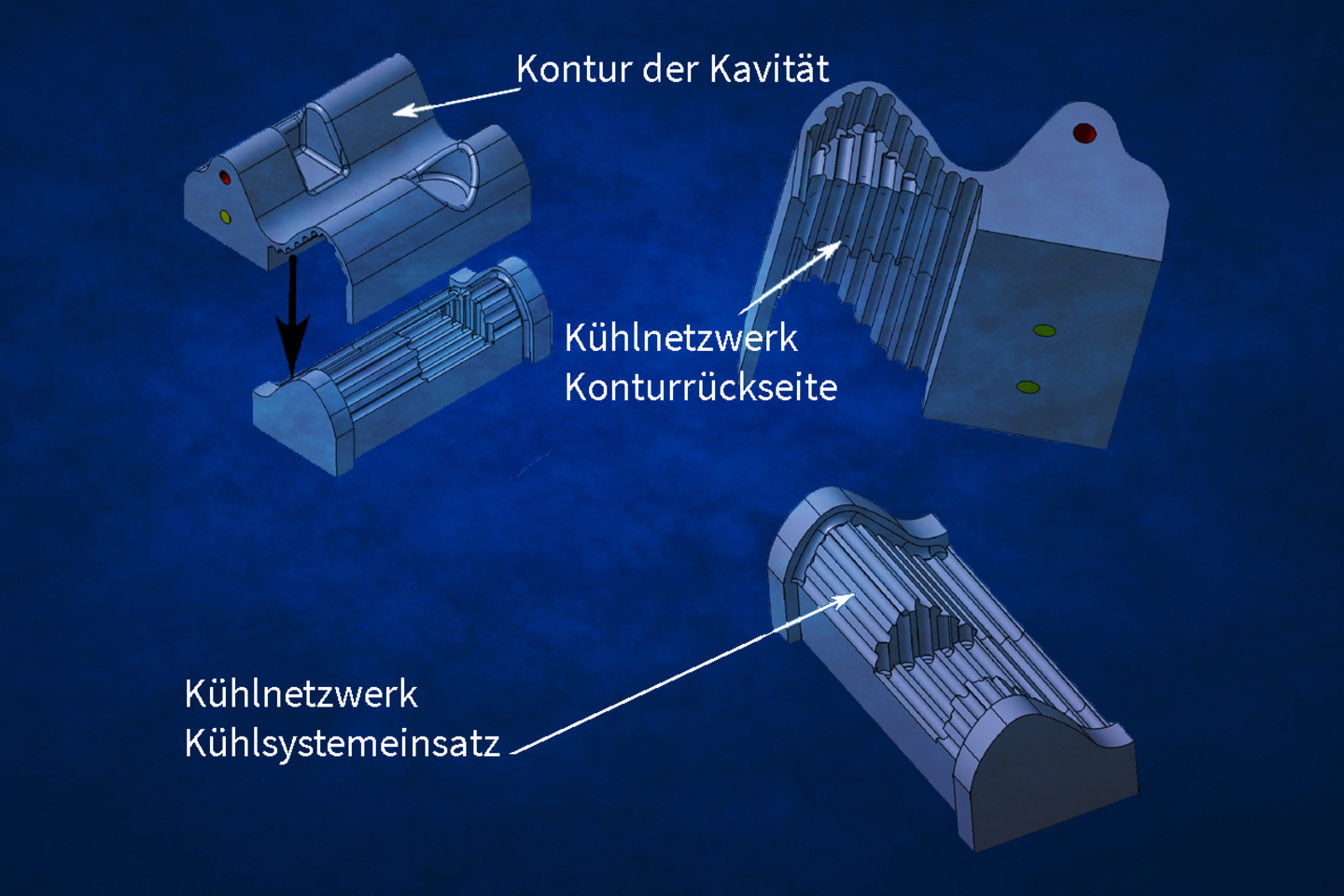
Process parameters and design step sequence of near-contour injection moulding cooling systems
New cooling systems for injection moulded plastic parts were developed as part of the project. By using 3D-printed inserts for the realisation of near-contour cooling, an extension of the degrees of freedom in terms of stability of the shot times and flexibility of the moulds was achieved.
Funding: ZIM of the BMWi (VDI project management organisation)
Project partner: TriWeFo - Tridelta Werkzeug- und Formenbau GmbH, Hermsdorf
Project duration: 05/2018 - 11/2020
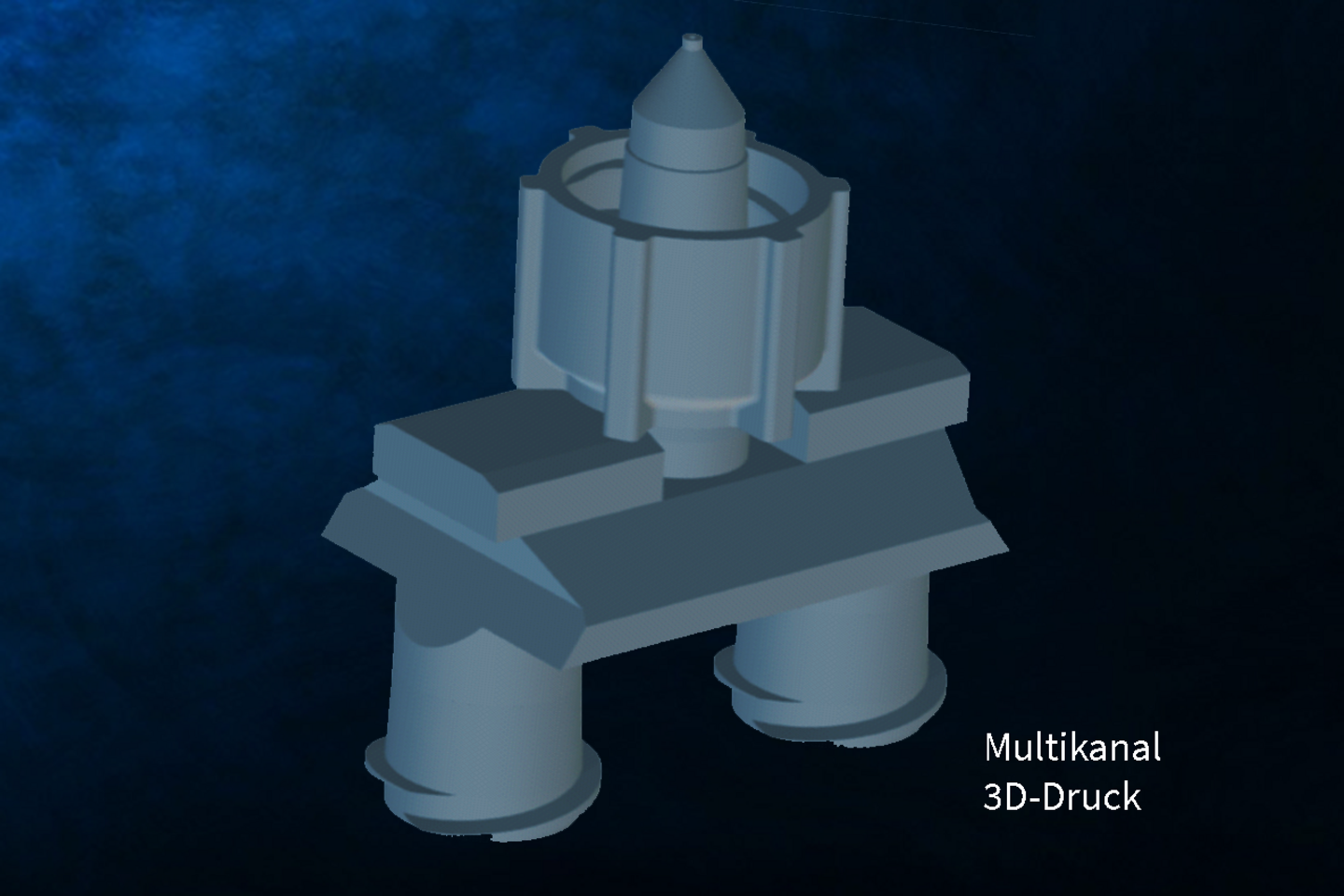
Generative production of multi-channel tubes for peripheral nerve regeneration
Until now, the healing of defects in the peripheral nervous system has had limited success due to the complex anatomical structure of nerves. The "Multichannel Tubes" project aims to use a new hydrogel material and generative process to break new ground in the production of an implant that will support the body's own regeneration of nerve defects in a targeted and better way.
Funding: ZIM of the BMWi (VDI project management organisation)
Project partners: Chair of Pharmaceutical Technology/Institute of Pharmacy/Faculty of Medicine/University of Leipzig, axiss GmbH
Project duration: 11/2016 - 03/2019
Publication: Extrusion-Printing of Multi-Channeled Two-Component Hydrogel Constructs from Gelatinous Peptides and Anhydride-Containing Oligomers
DOI: 10.3390/biomedicines9040370
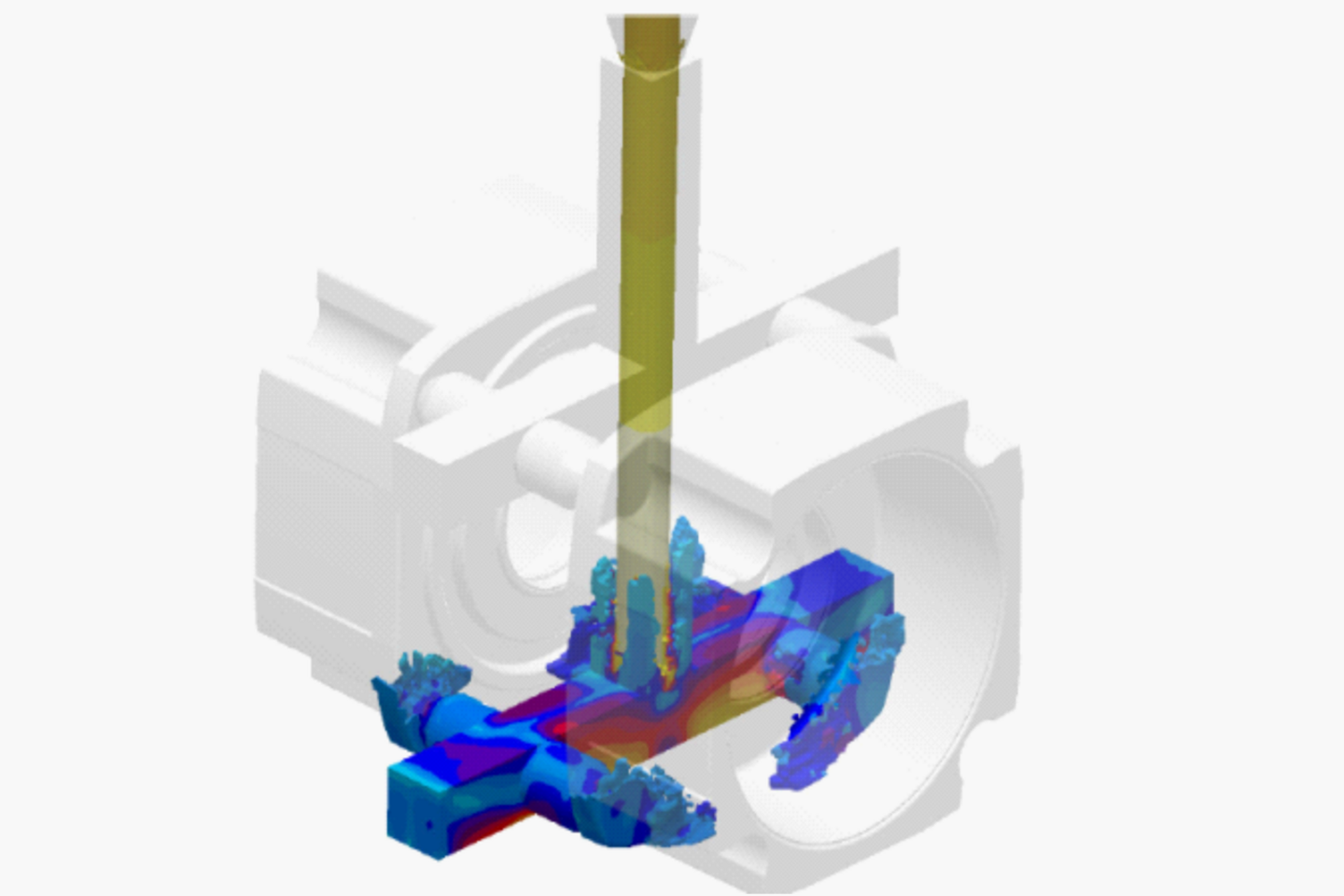
Simulations of cooling behaviour when using alternative moulding materials
Development of cooling systems for casting moulds to externally influence the solidification behaviour in metal casting, using vacuum-compatible moulding materials with poor thermal conductivity. The aim of the project was to control the cooling of metal investment casting parts by changing the moulding material and/or using cooling elements so that their quality approaches that of a component produced by die casting.
Funding: ZIM of the BMWi (VDI project management organisation)
Project partners: Prof. Henning Rambow/Faculty AS/HTWK Leipzig, Portec GmbH
Project duration: 06/2017 - 05/2018
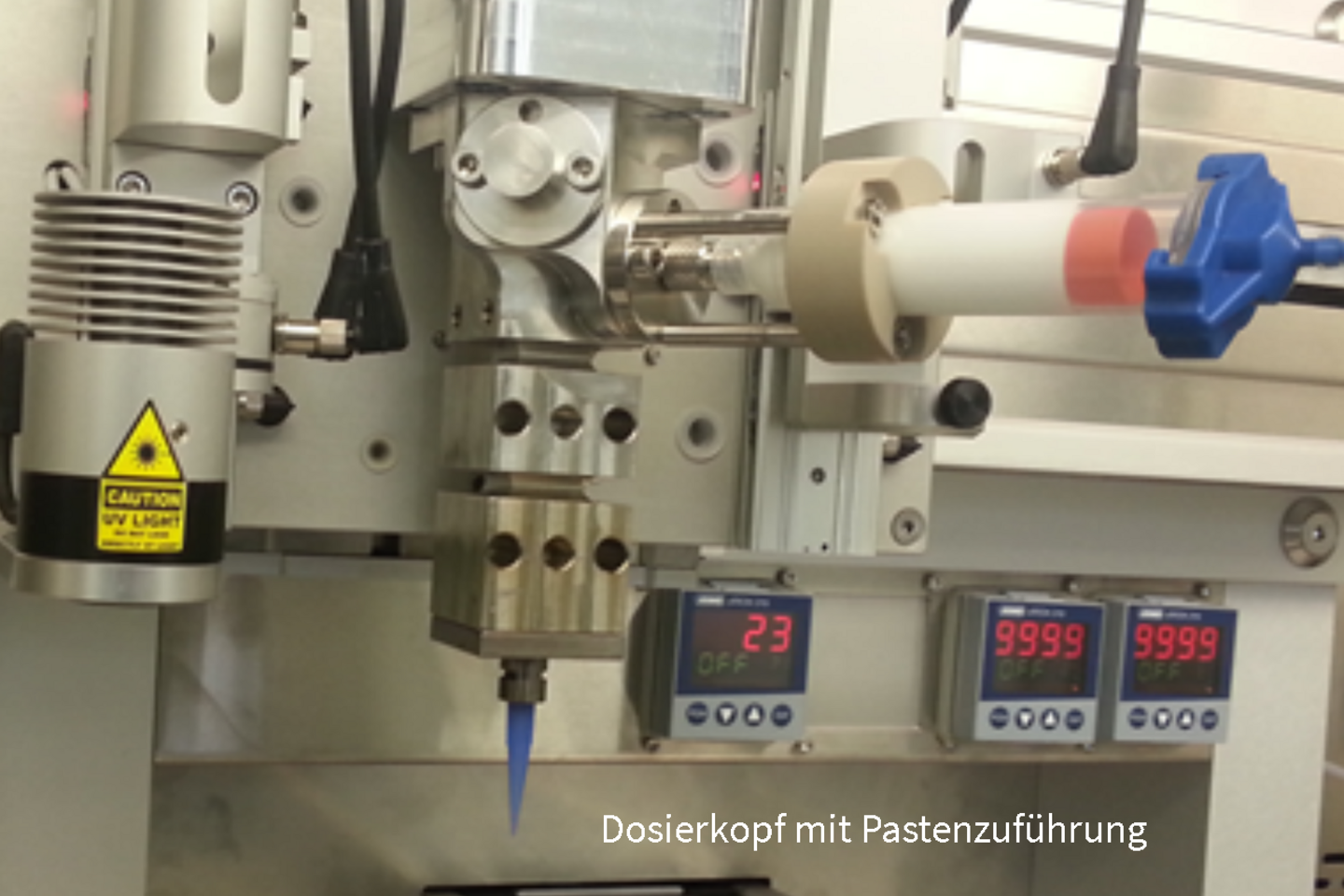
Bone regeneration using 3D printed siRNA-releasing ceramic implants
Using a dosing head in the 3D printing process FDM (Fused Depsoition Modelling), bone cement pastes with an admixture of active ingredients are structured three-dimensionally. To this end, the system technology is being further developed to meet the requirements for processing pasty materials at room temperature with the process-integrated addition of powders. The aim is to further develop bone substitute materials.
Funding: SMWK
Project partners: Chair of Pharmaceutical Technology/Institute of Pharmacy/Faculty of Medicine/University of Leipzig, Clinical Pharmacology/Faculty of Medicine/University of Leipzig
Project duration: 09/2015 - 12/2017
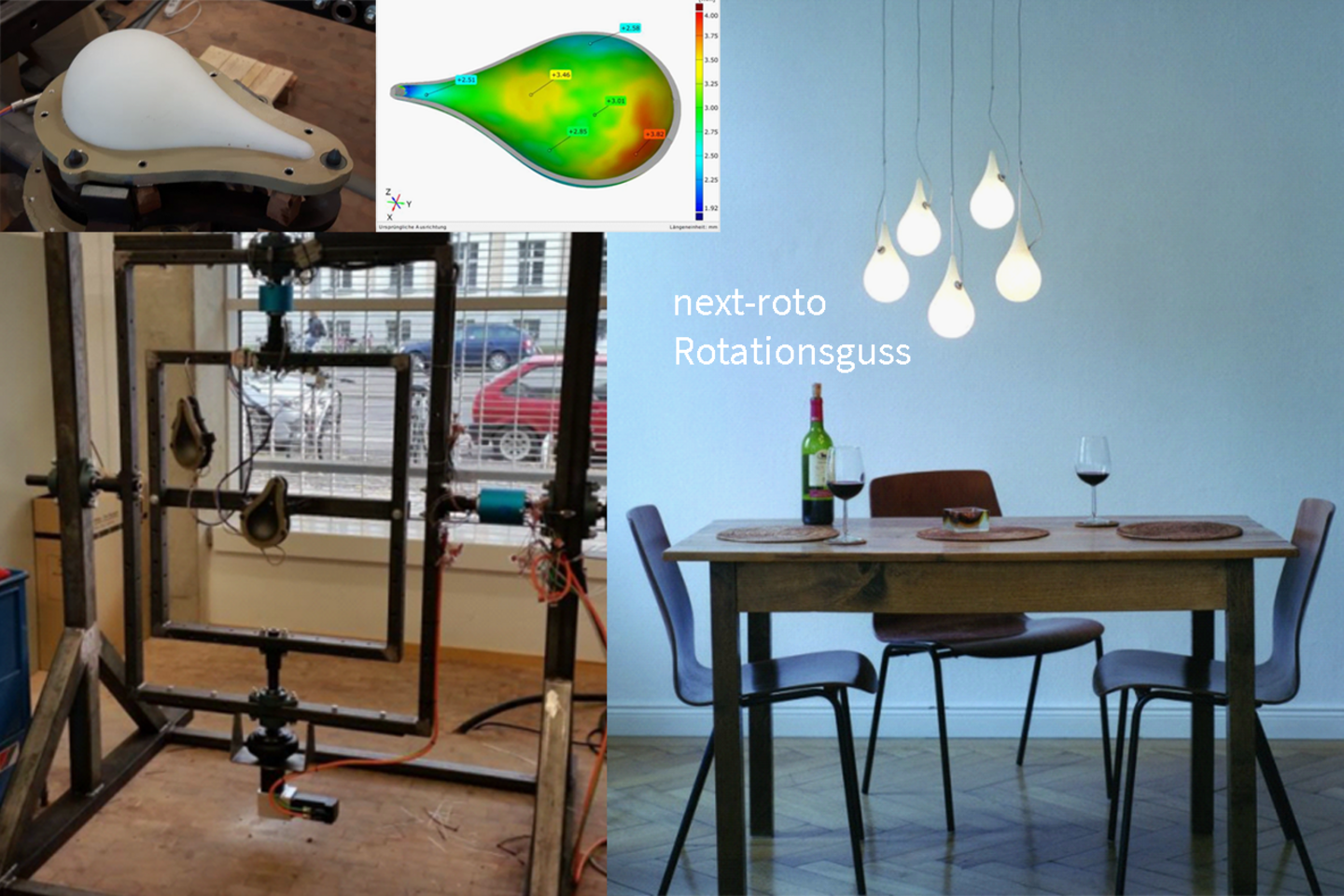
Development of new process engineering systems for innovative directly heated rotational moulds
The primary project objective is the development and prototypical implementation of new types of directly heated rotary moulds and an associated rotary machine for the production of complex plastic parts. The innovation goals are: new materials and manufacturing processes for the moulds, shortening of the production cycle, energy savings, energy recovery, reduction of space requirements, simplification of operation, significant improvement of product quality and reduction of rejects during rotation.
Funding: ZIM of the BMWi
Project partners: next home collection e.K. (practice partner), RWTH Aachen University
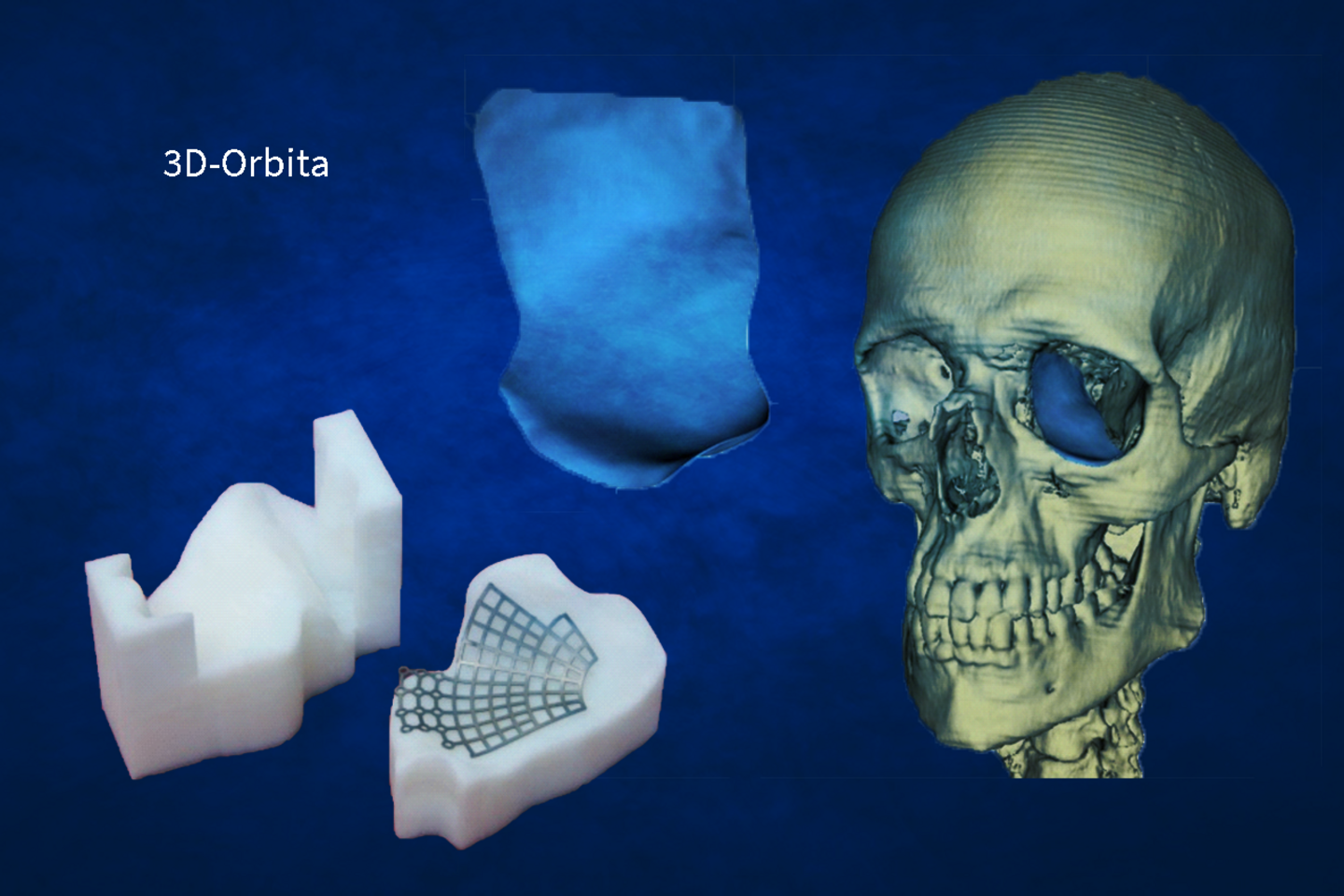
Development of a bending aid for the treatment of orbital wall fractures
The aim of the project was to create a process chain for the production of optimised patient-specific facial and cranial (craniomaxillofacial) implants.
Funding: ZIM of the BMWi (AiF)
Project partners: Deufel GmbH (practice partner), Clinic for Oral and Maxillofacial Surgery/Medical Faculty/University of Leipzig
Publication: Template-Based Orbital Wall Fracture Treatment Using Statistical Shape Analysis
DOI: 10.1016/j.joms.2017.03.048
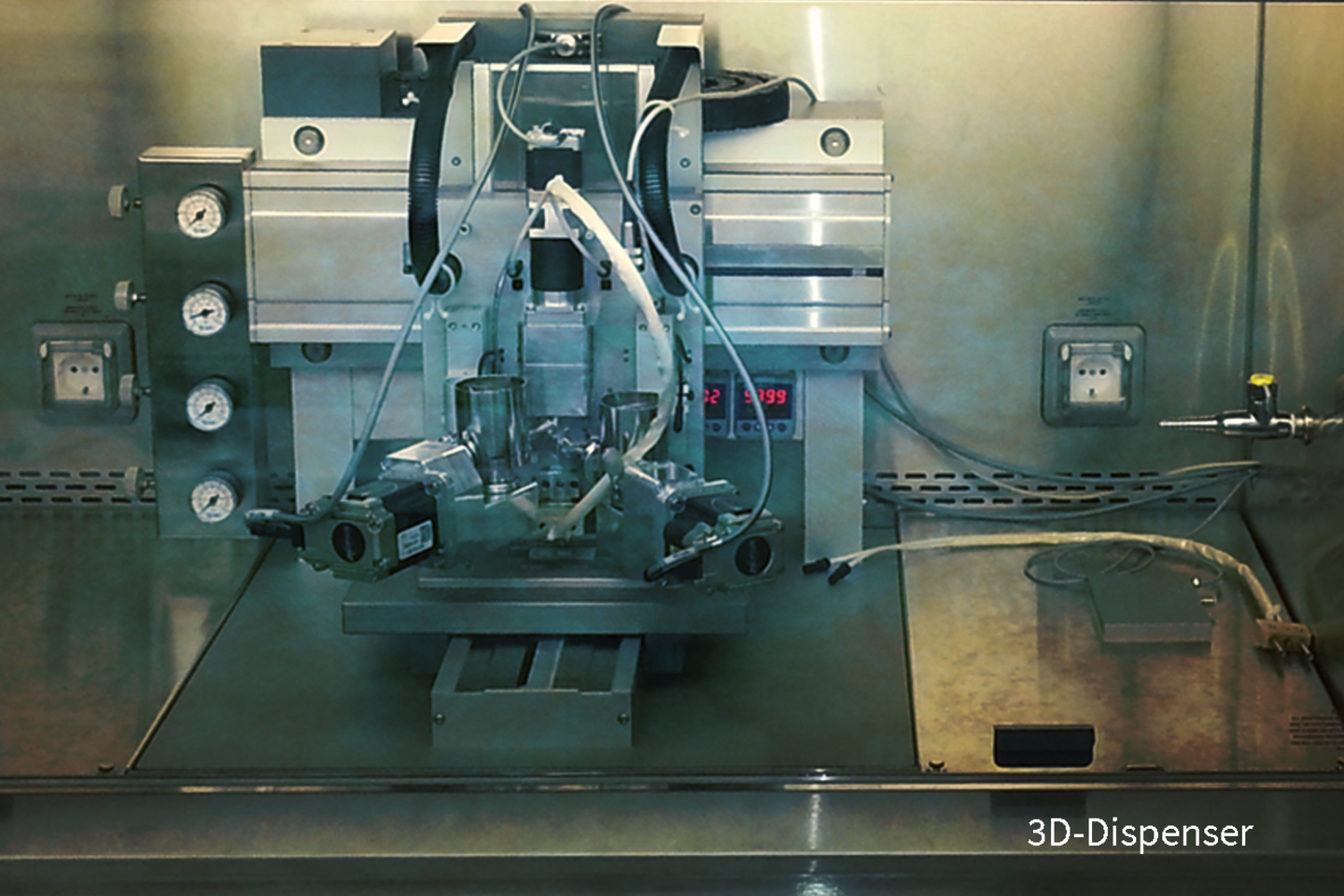
Application of 3D prototyping processes for the microdosing of pharmaceutically active substances with homogeneous embedding in a bioplastic matrix
The research funding project created the prerequisites for submitting applications for new projects in the field of medical technology. The focus was on the generative processing of biocompatible plastics using the rapid prototyping process FDM (fused deposition modelling).
Funding: SMWK
Project duration: 08/2013 - 12/2013
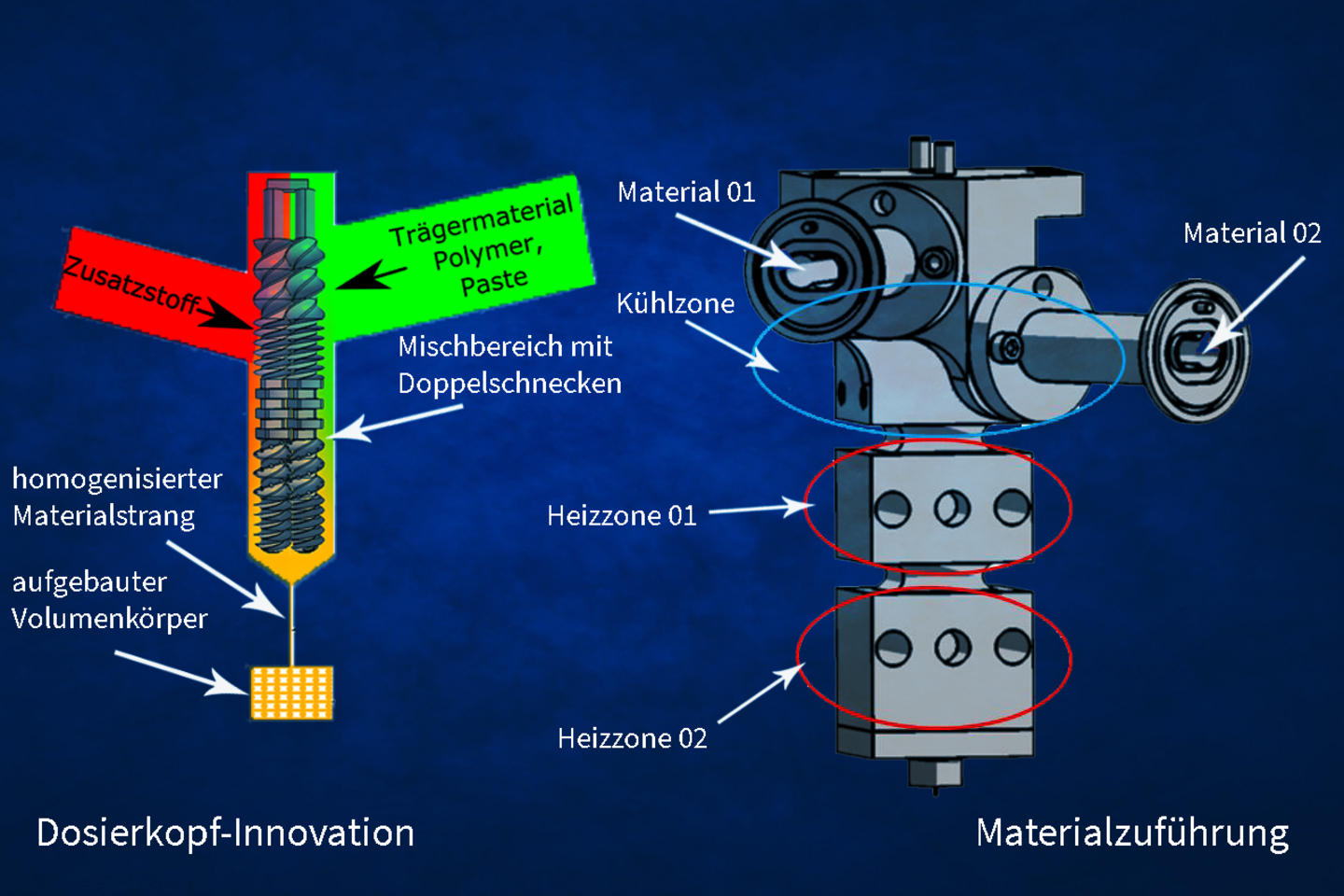
Development of a dosing head with twin-screw extruder
Development of a dosing head (FDM process) for additive manufacturing with integrated twin-screw extruder. This makes it possible to mix several materials during the 3D processing procedure. In addition, the processing temperature can be significantly reduced compared to conventional technologies and complex material mixtures can be processed. The aim is the three-dimensional construction of bone replacement materials.
Funding: SMWK
Project partners: Chair of Pharmaceutical Technology/Institute of Pharmacy/Faculty of Medicine/University of Leipzig, Clinical Pharmacology/Faculty of Medicine/University of Leipzig
Project duration: 05/2013 - 12/2014
Publication: A twin-screw extruder for material dosing in a rapid prototyping process
in: Stelzer, Ralph, ed., 2016. Entwerfen Entwickeln Erleben 2016 - Beiträge zur virtuellen Produktentwicklung und Konstruktionstechnik: Dresden, 30 June - 1 July 2016. Dresden: TUDpress - Verlag der Wissenschaften GmbH. PP. 419-428. ISBN 978-3-95908-062-0
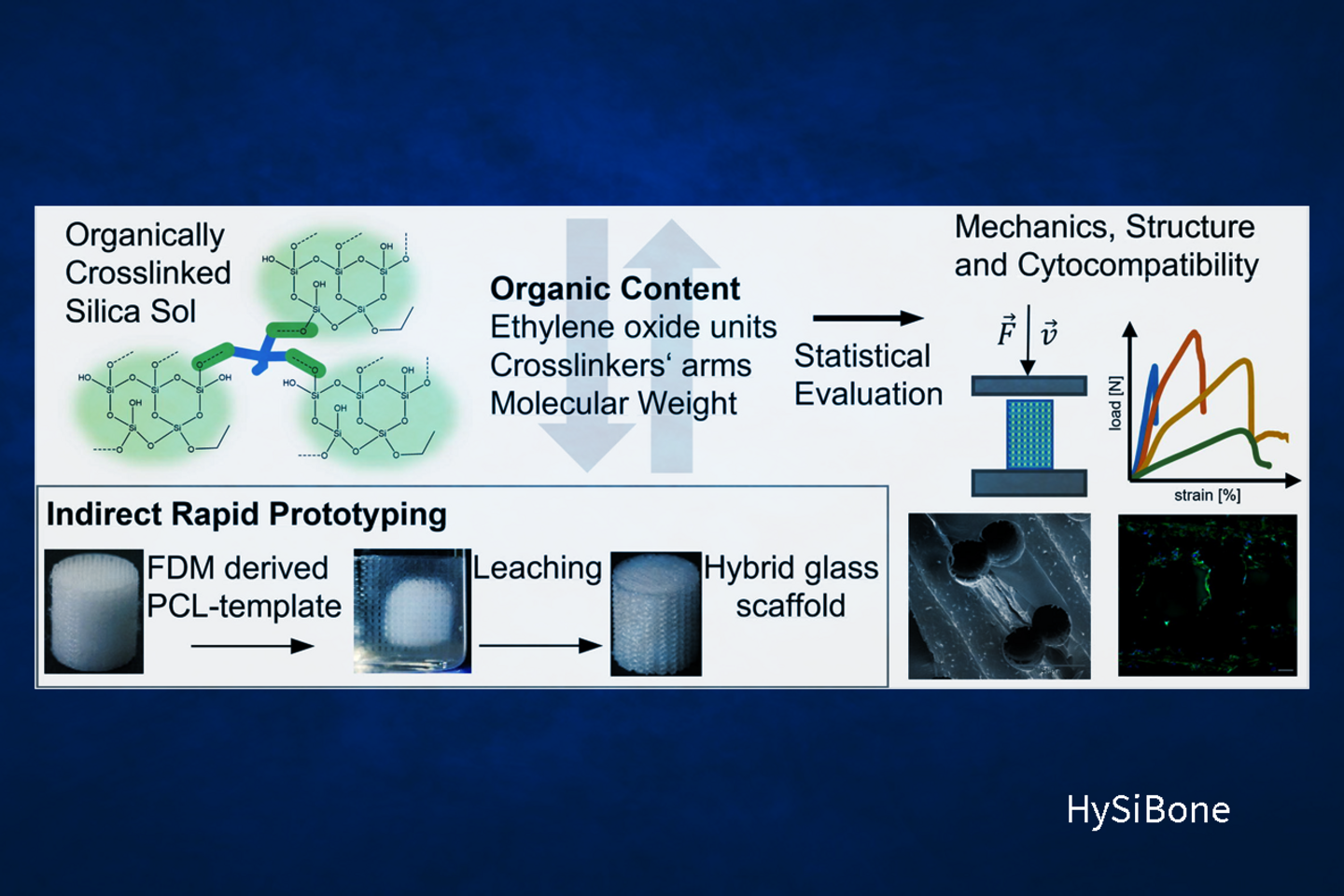
Development of a novel porous hybrid silicate bone substitute material
Use of the generative process Fused Deposition Modelling (FDM) for the production of moulded bodies. These serve as lost moulds for the indirect structuring of hybrid silicate materials as bone replacement materials.
Funding: ZIM of the BMWi (AiF)
Project partners: Chair of Pharmaceutical Technology/Institute of Pharmacy/Faculty of Medicine/University of Leipzig, Bubbles and beyond GmbH, DMG-Chemie GmbH
Project duration: 05/2011 - 07/2013
Patent: DE102014224654A1 | Macroporous, biodegradable organically cross-linked silicate hybrid materials for implantation
Publications:
- Indirect rapid prototyping of sol-gel hybrid glass scaffolds for bone regeneration - effects of organic crosslinker valence, content and molecular weight on mechanical properties
DOI: 10.1016/j.actbio.2016.02.038 - Effects of curing and organic content on bioactivity and mechanical properties of hybrid sol-gel glass scaffolds made by indirect rapid prototyping
DOI: 10.1007/s10971-017-4395-y - Biodegradable and adjustable sol-gel glass based hybrid scaffolds from multi-armed oligomeric building blocks
DOI: 10.1016/j.actbio.2017.09.024 - Sustained Calcium(II)-Release to Impart Bioactivity in Hybrid Glass Scaffolds for Bone Tissue Engineering
DOI: 10.3390/pharmaceutics12121192
Contact person

- Section:
- FM
- Phone:
- +49 341 3076-2355
- Section:
- FING
- Phone:
- +49 341 3076-4119

- Section:
- FING
- Phone:
- +49 341 3076-4142

- Section:
- FING
- Phone:
- +49 341 3076-4239