HTWK Leipzig – A leader in research and knowledge transfer
HTWK Leipzig is one of Germany’s leading universities of applied sciences (HAW) in terms of research. We are connected through a wide range of partnerships with businesses, other academic institutions, associations and organisations, and secure funding for numerous third-party-funded projects every year. Research, development and knowledge transfer are among our core competencies, and supporting the next generation of researchers is a priority for us.
Our unique selling point in the region is our broad engineering and technical profile: our researchers develop sustainable solutions for new buildings, bridges and roads, as well as those in need of refurbishment; through their research, they drive forward the energy transition and lay the foundations for the smart use of digitalisation. Together with the fields of economics, social sciences and medical technology, HTWK Leipzig offers a diverse range of teaching and research programmes across its six faculties.
In figures:
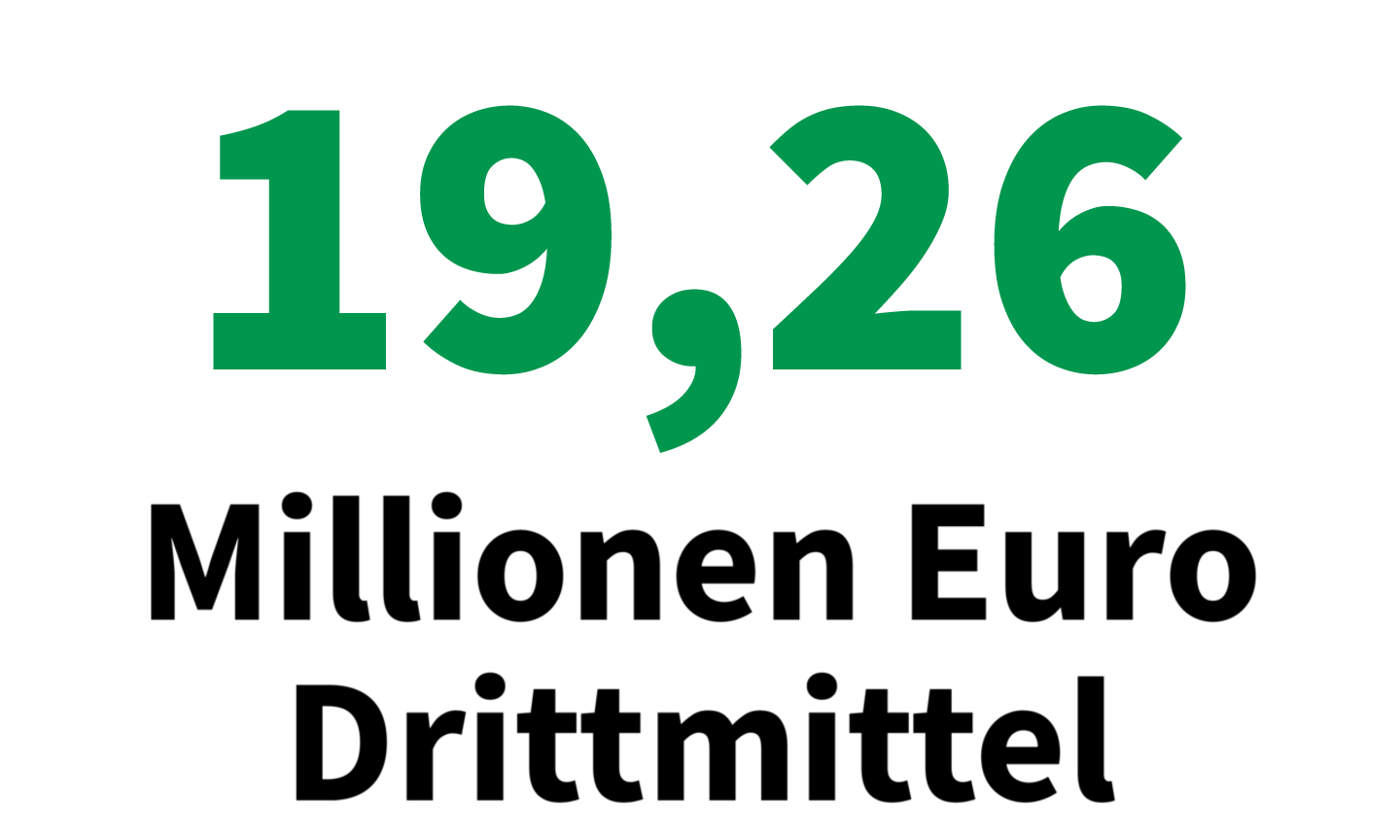
In 2025, HTWK Leipzig secured 20.66 million euros in third-party funding from the federal government, the state, the EU and the private sector.
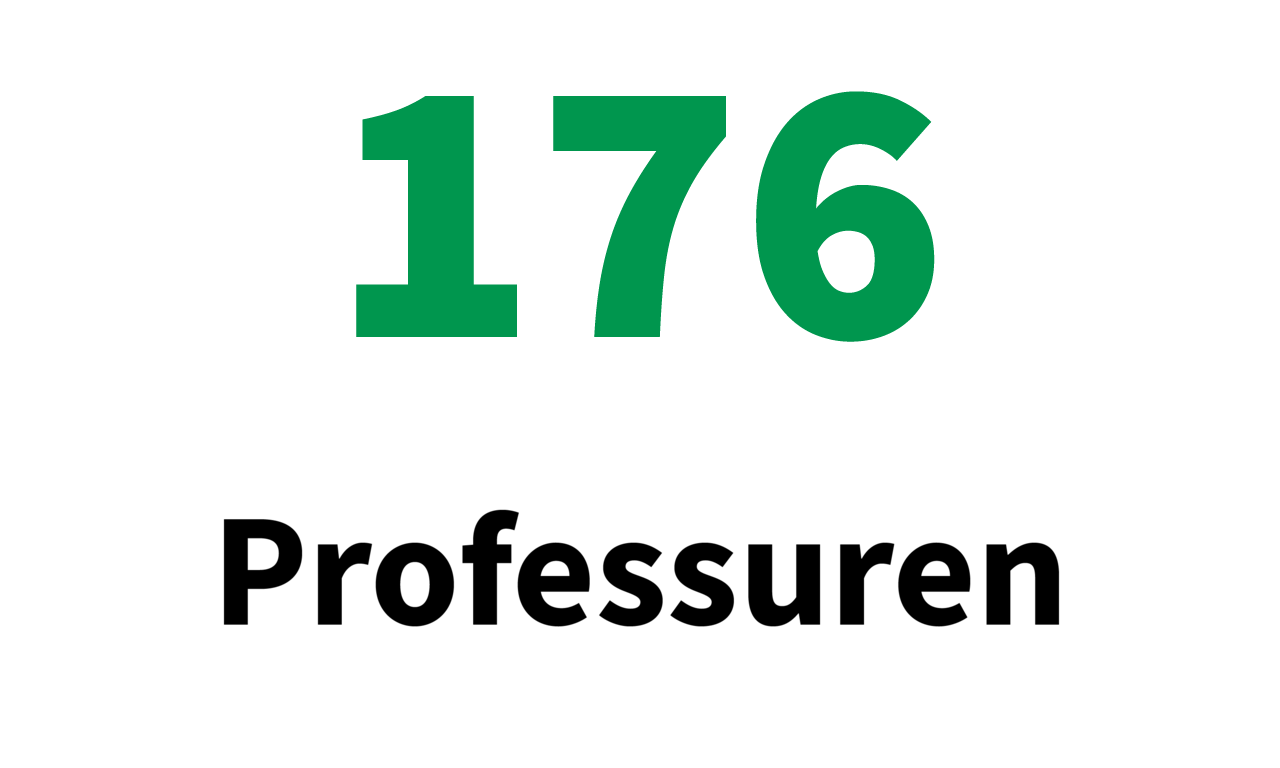
178 professorships ensure a wide range of teaching and research expertise.
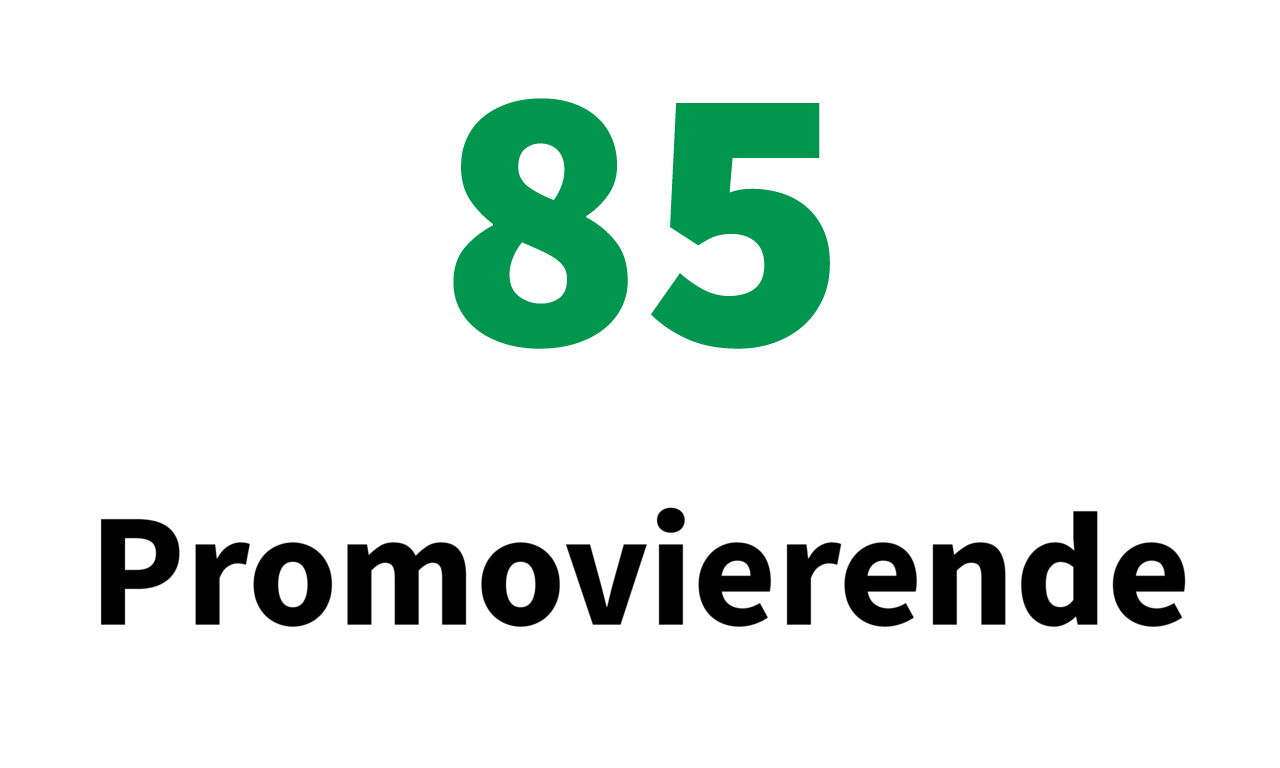
In 2025, 101 PhD students were supervised at HTWK Leipzig through collaborative programmes.
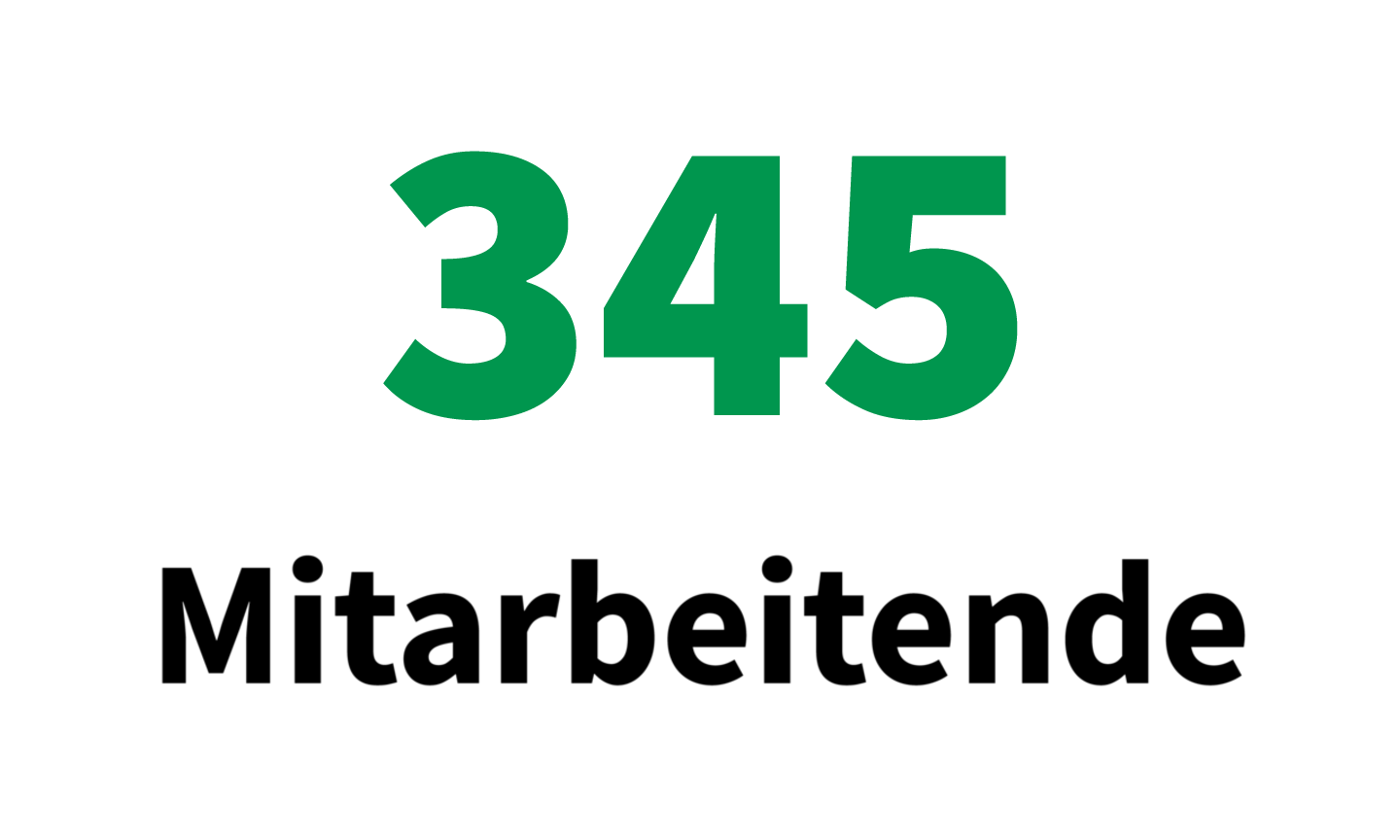
In 2025, 414 staff members were funded from additional third-party funding secured.
This is what I’m researching at HTWK Leipzig ...
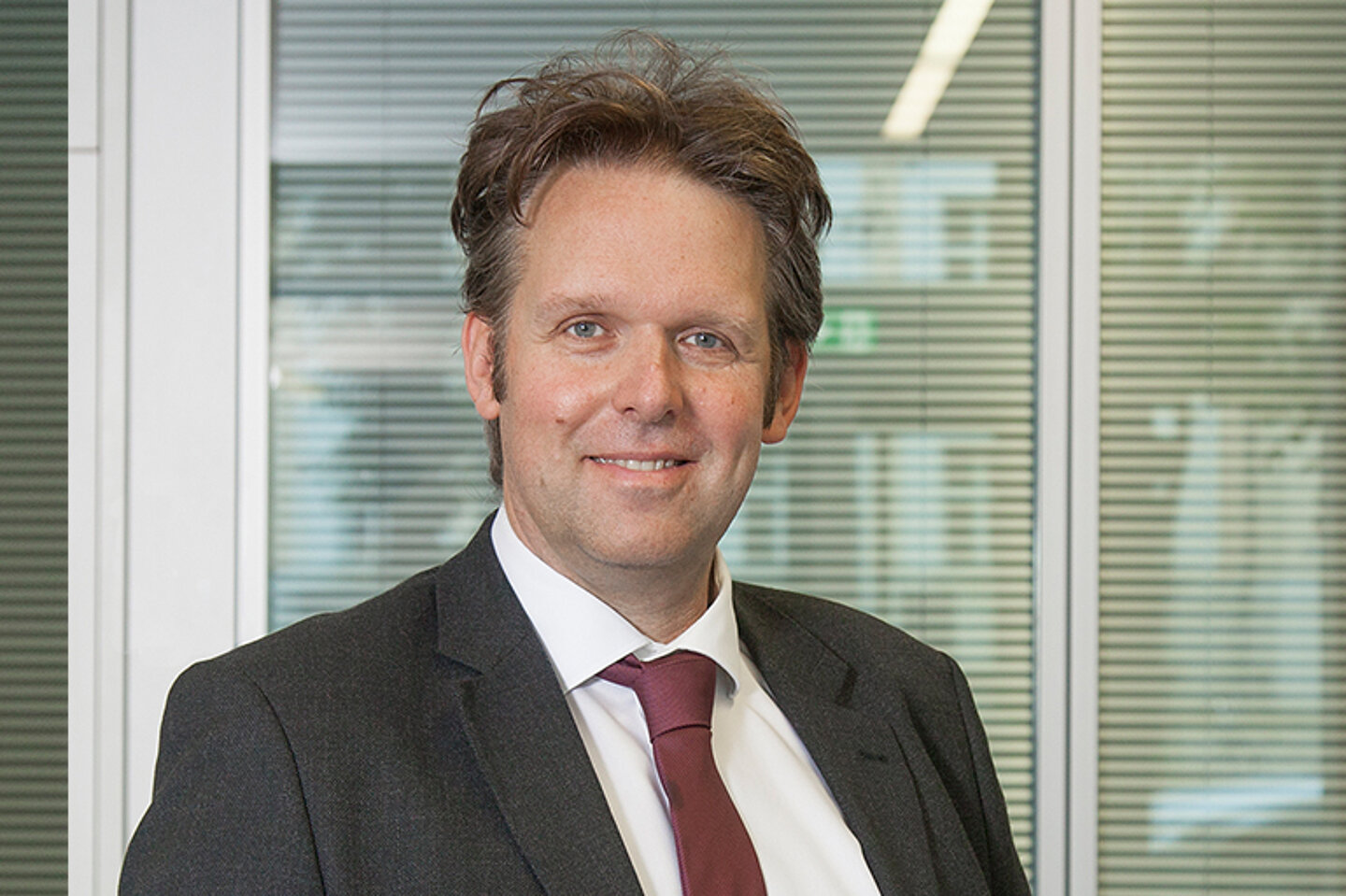
Prof. Dr Robert Böhm, Professor of Lightweight Construction using Composite Materials, Leipzig Centre for Materials Science:
“My research focuses on how fibre-reinforced composites can be used to develop efficient lightweight structures. The areas of application for these high-performance materials range from aerospace and the wind energy sector to the automotive industry and the construction sector.”
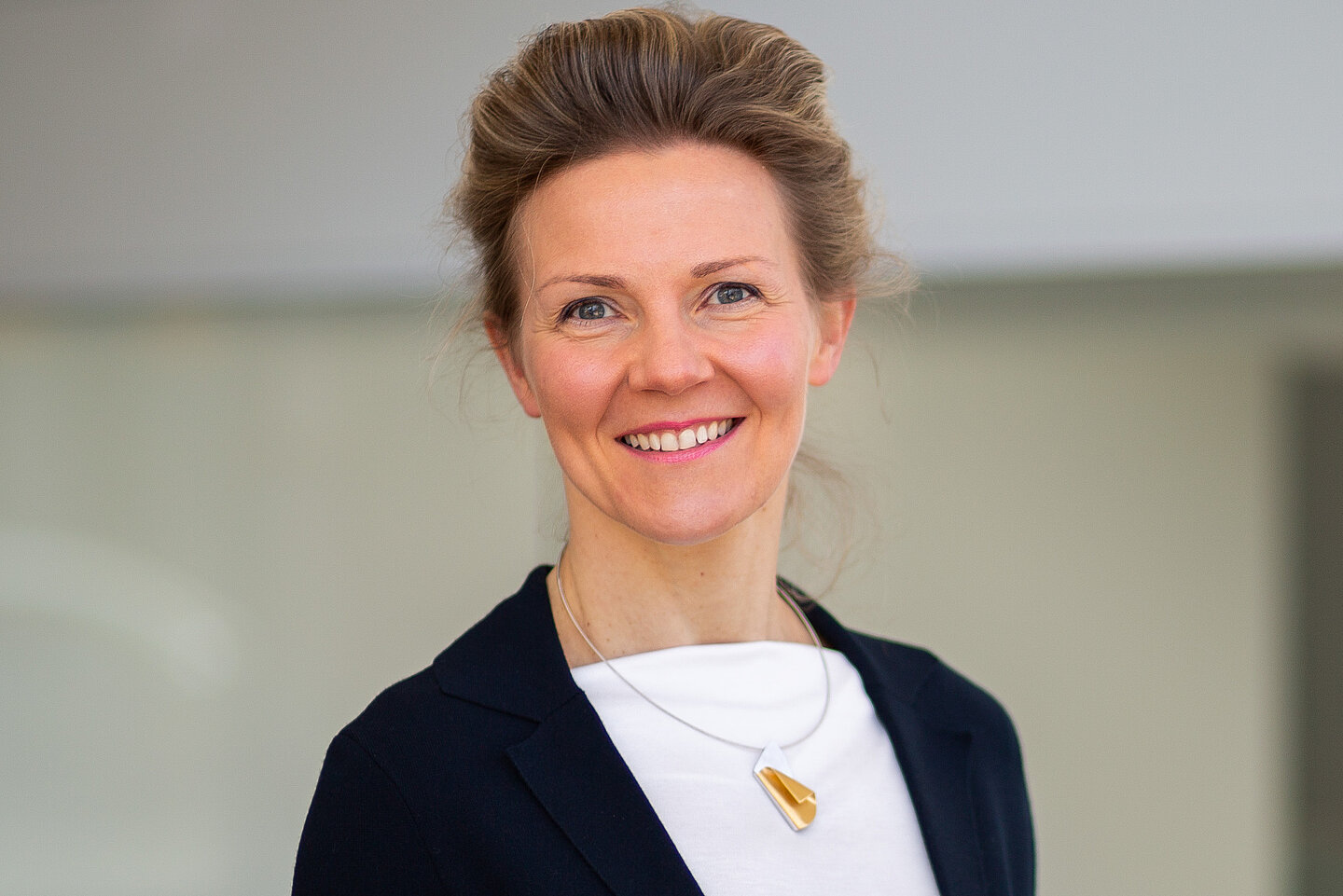
Prof. Dr Cornelia Manger-Nestler, Professor of German and International Commercial Law:
“My research focuses on legal issues relating to cross-border financial markets and currency areas, particularly the European Monetary Union. This is because the European Union is not merely a single market, but a legal community in which the struggle to establish a common body of law is a key driver of development.”
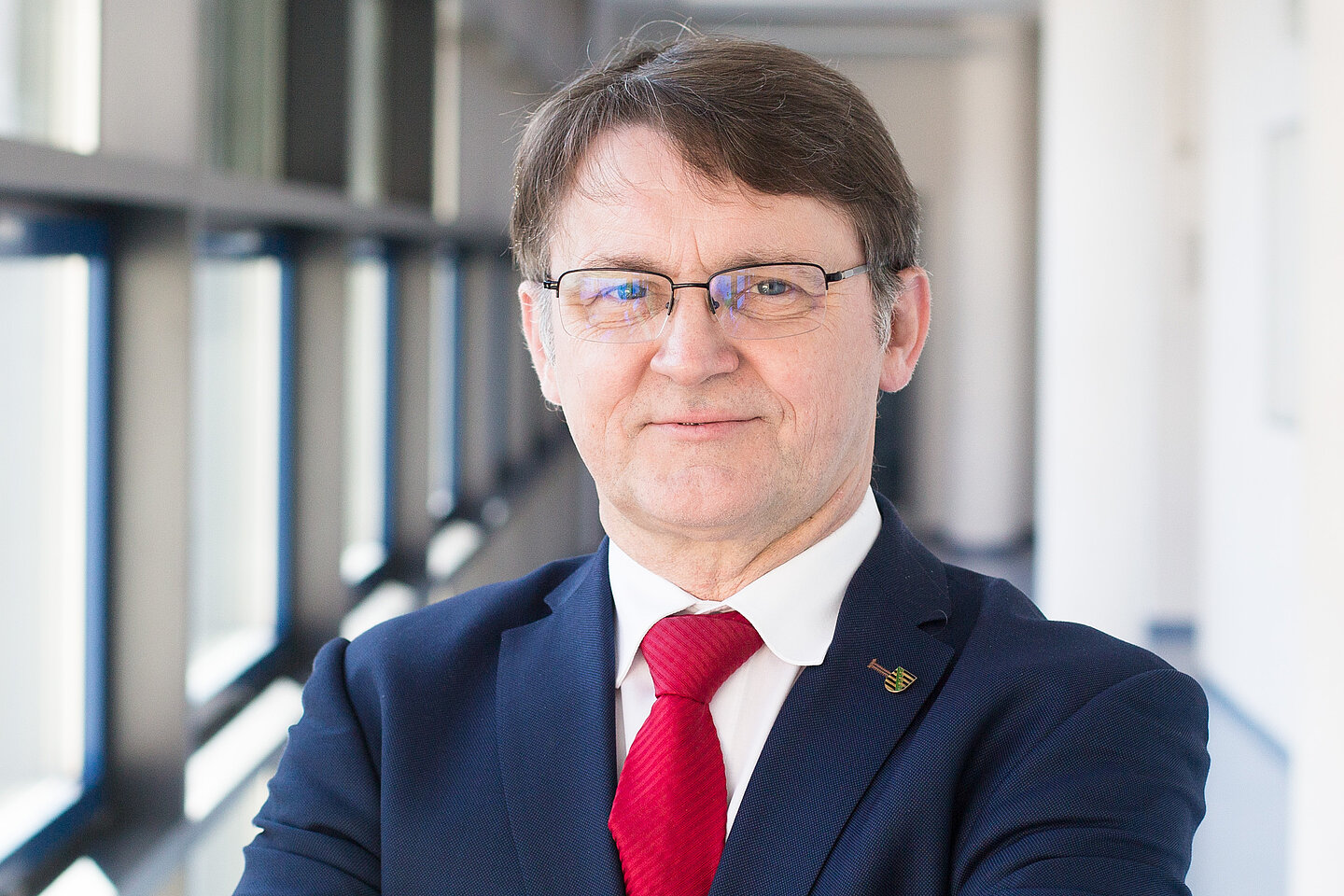
Prof. Dr Hubertus Milke, Head of the Institute of Hydraulic Engineering and Urban Water Management:
“I use simulations to investigate the effects of extreme flooding and heavy rainfall on roads, buildings and hydraulic structures. Understanding the potential for damage is becoming increasingly important, as extreme weather events are on the rise due to climate change.”
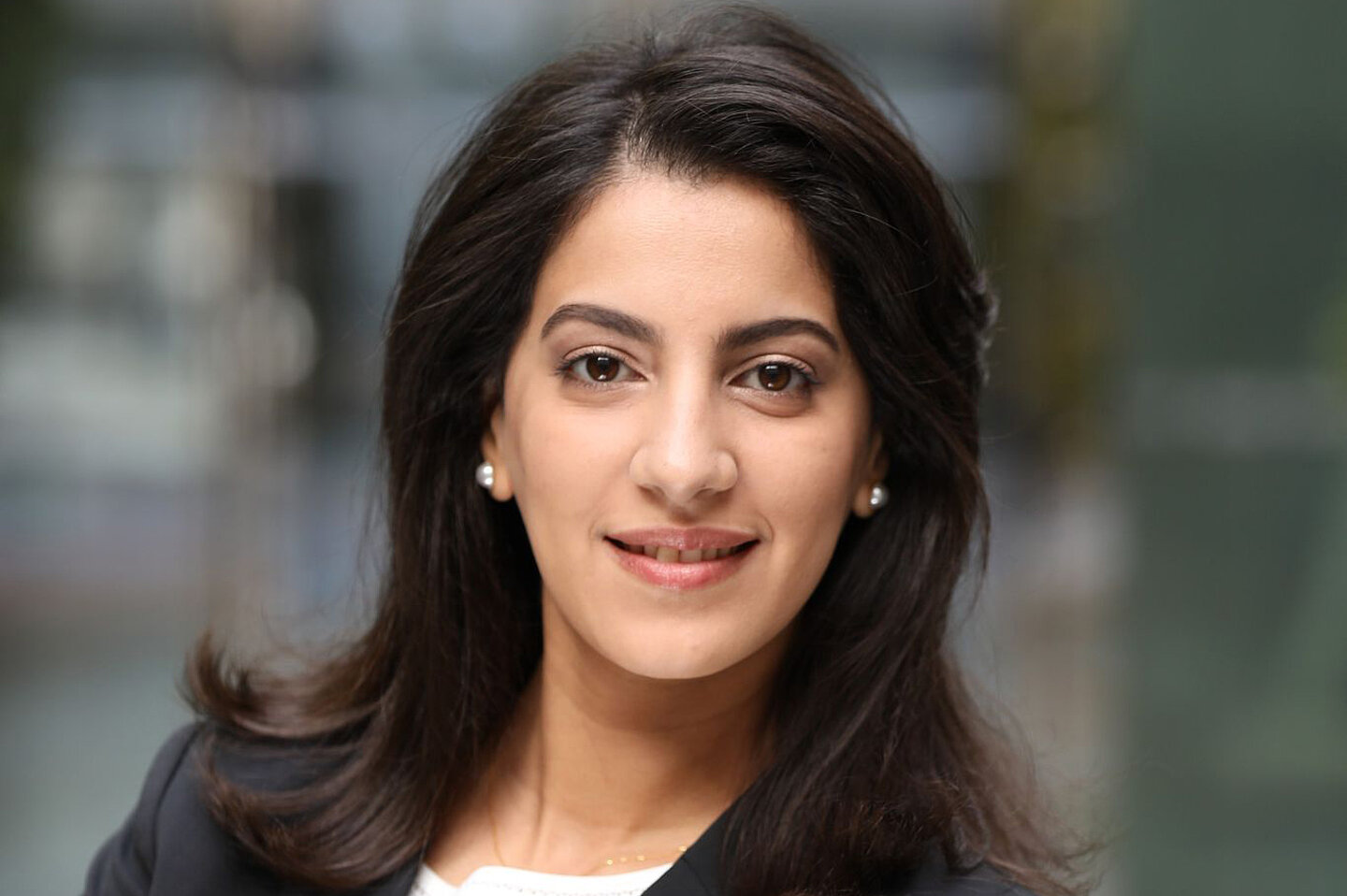
Ola Bidhan, lecturer in high-frequency technology at the Faculty of Digital Transformation:
“I am researching how high-performance 5G networks can be set up without the connections of the numerous end devices interfering with one another. This is a key prerequisite for the further digitalisation of industrial production and logistics.”
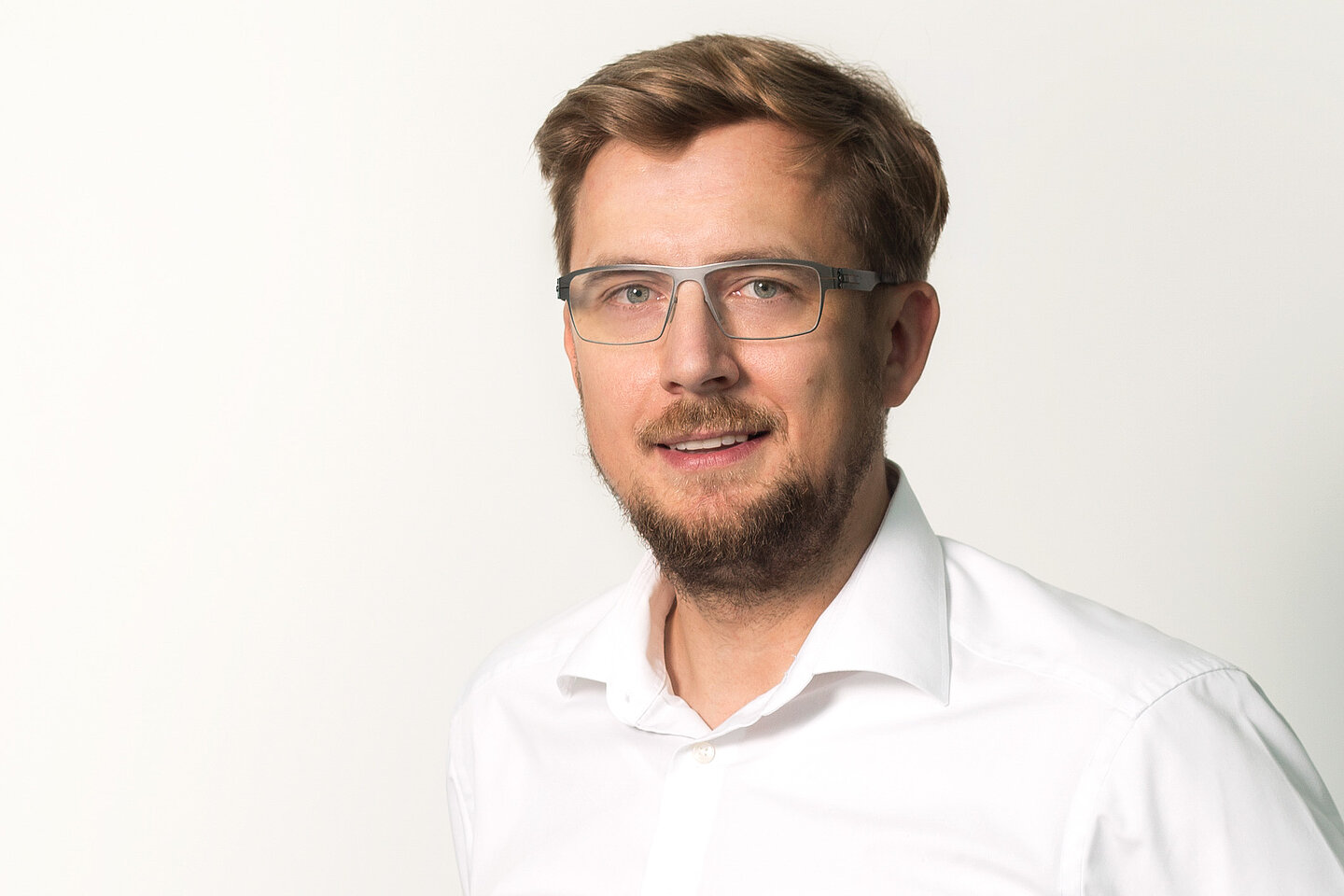
Dr Alexander Kahnt, Head of the Sustainable Construction Research Group:
“I am developing innovative, slim-line façade structures that are highly energy-efficient throughout their entire life cycle. This is because buildings account for a large proportion of the energy and raw materials consumed worldwide.”
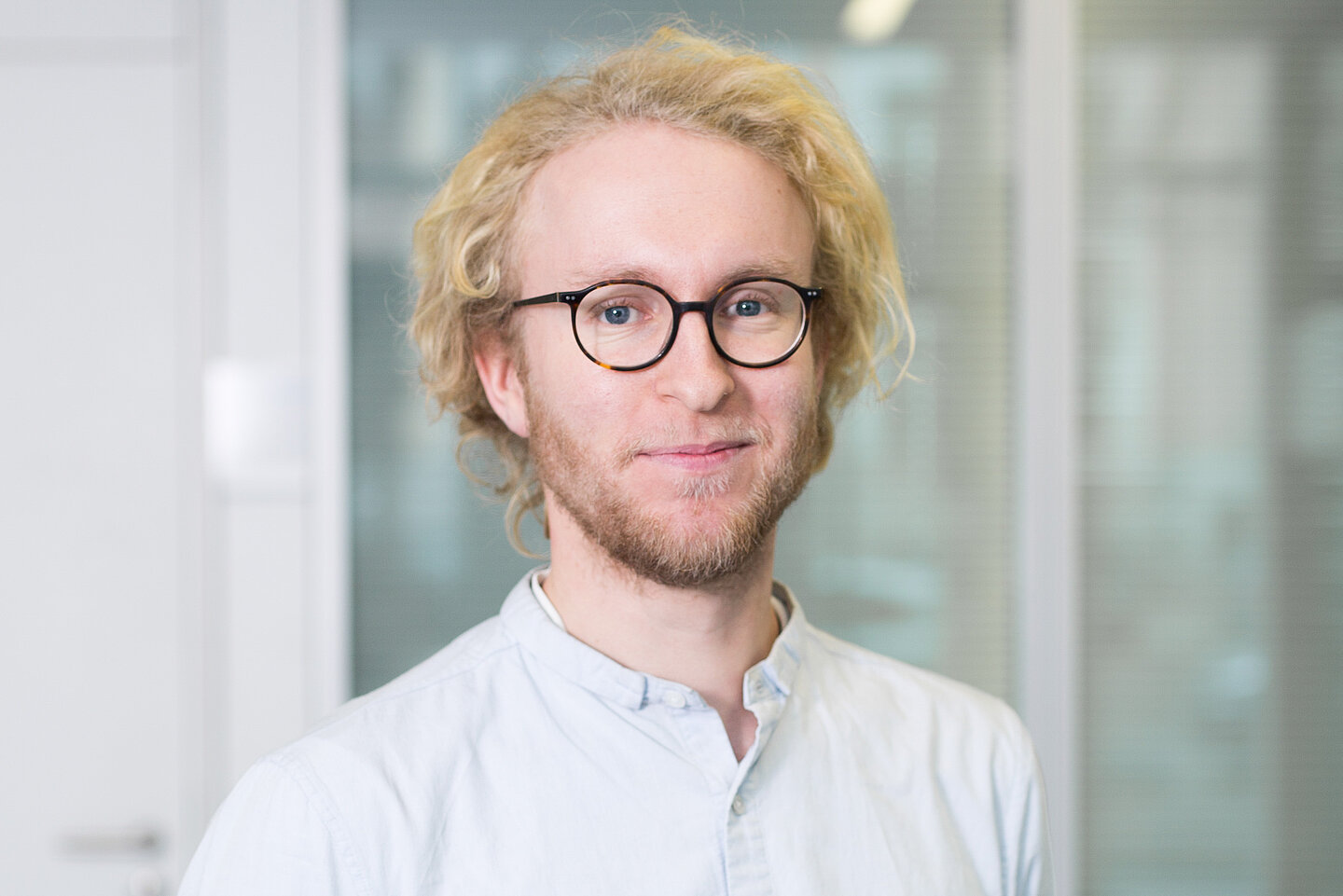
Felix Schmidt-Kleespies, Research Associate in the FLEX research group:
“Building with timber leads to the long-term sequestration of CO₂, but requires greater planning effort. To offset this, I am developing a planning model that makes it easier to understand the interrelationships between design, manufacturing and material costs.”
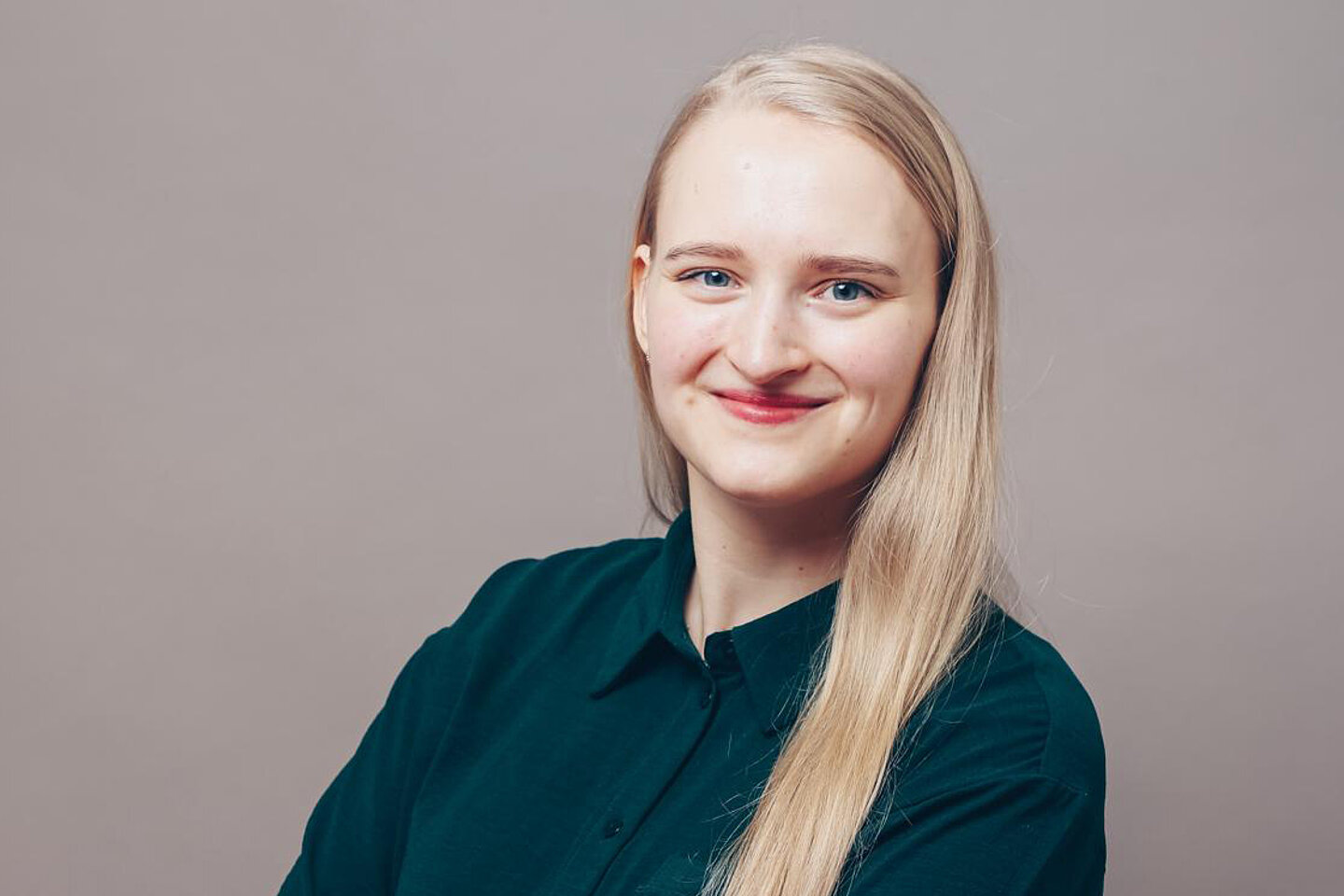
Anne Rauchbach, Research Associate for the ‘KulTRes’ research project:
“I am investigating the influence of culture in selected rural regions on local transformation and resilience processes. It is important to focus on cultural provision outside major cities in order to shape sustainable, liveable and resilient peripheral areas.”
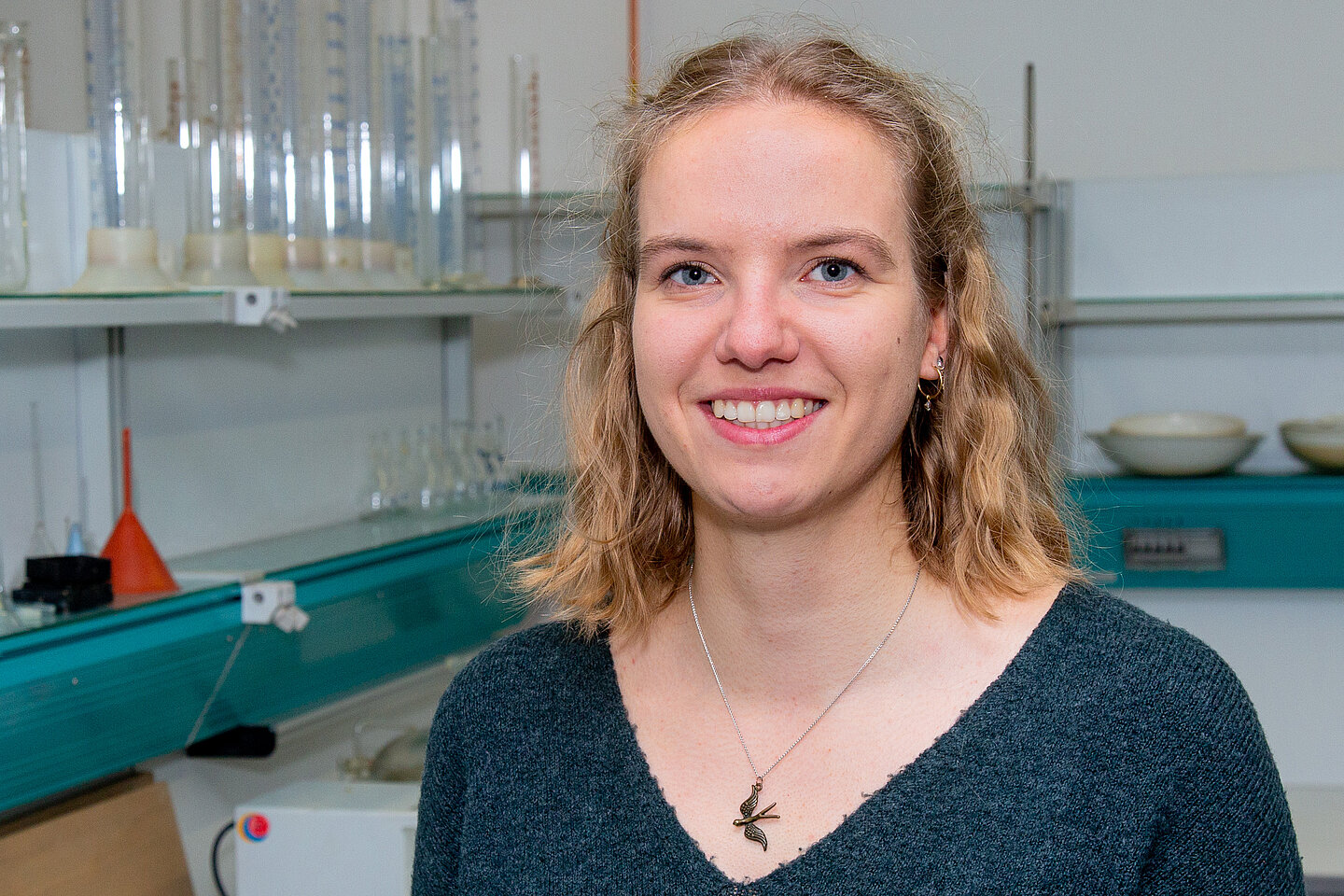
Finia Knauf, student assistant in the G² Geotechnical Engineering Group:
“In the laboratory, I analyse soil samples to determine, amongst other things, their bearing capacity. This is an important step before a building or a road can be constructed. I enjoy the hands-on work and seeing how different soils react to the experiments.”
Key research areas and specialisms


Publications
- Publication server (Qucosa)
- Publication overview on the Scopus citation and abstract database