Project management

- Section:
- FWW
- Phone:
- +49 341 3076-6634
Transformation processes driven by increased immigration and digitalisation in rural areas

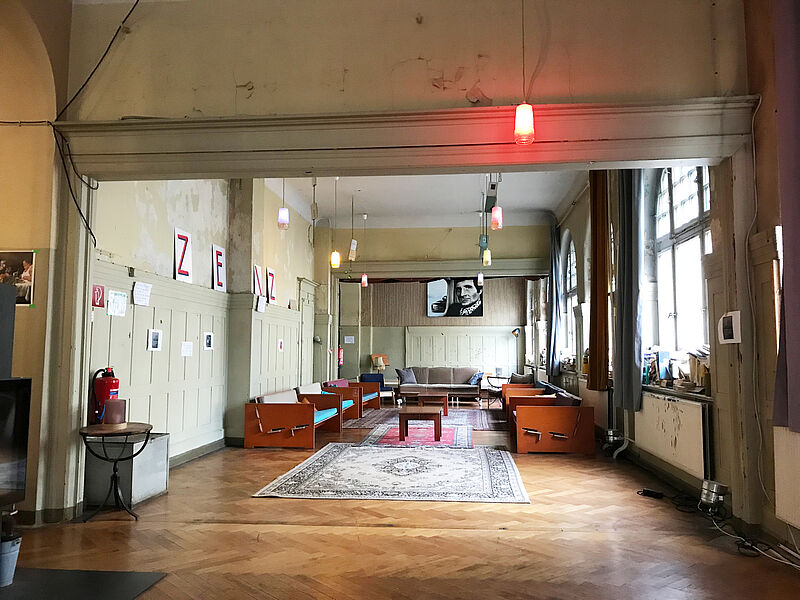
This collaborative project examines the specific role of cultural provision and cultural participation in regional transformation processes in rural areas, as well as the interdependencies between cultural activity and regional transformation driven by increased migration and digitalisation. The project forms part of the funding initiative “Faktor K – Research into the Cultural Factor in Rural Areas” under the federal programme Rural Development and Regional Value Creation (BULEplus). It is one of 22 projects within this funding scheme that examines the significance of culture in rural areas, analyses best-practice examples of an active cultural life in rural areas, and formulates recommendations for policy and practice.
The research focuses on the interactions between demographic changes in rural regions and the associated adaptation of the structure of cultural provision and stakeholders. Furthermore, the project evaluates the impact of digitalised cultural formats on networking and activities in the study areas. The aim is to determine the extent to which structures, processes and content in the cultural sector of rural regions determine transformation and resilience resources. Further focal points include linking narratives in the study regions with cultural offerings, as well as examining the resilience resources in these areas for addressing region-specific challenges.
These issues are being investigated in three rural regions: the Burgenland district in Saxony-Anhalt, the Höxter district in North Rhine-Westphalia and the Prignitz district in Brandenburg. The study regions were selected on the basis of maximum variance in terms of their geographical location, socio-economic indicators and degree of rurality. The methodological approach is based on a mixed-methods approach, which comprises the analysis of socio-demographic indicators, the conduct of guided expert interviews with relevant stakeholders, and participatory workshops. In addition, a discourse analysis is carried out to examine the correlation between regional narratives, as well as a systematic evaluation of resilience resources in the regions.