Project management
- Section:
- FM
- Phone:
- +49 341 3076-6413
Sustainable use of Brazil’s biodiversity
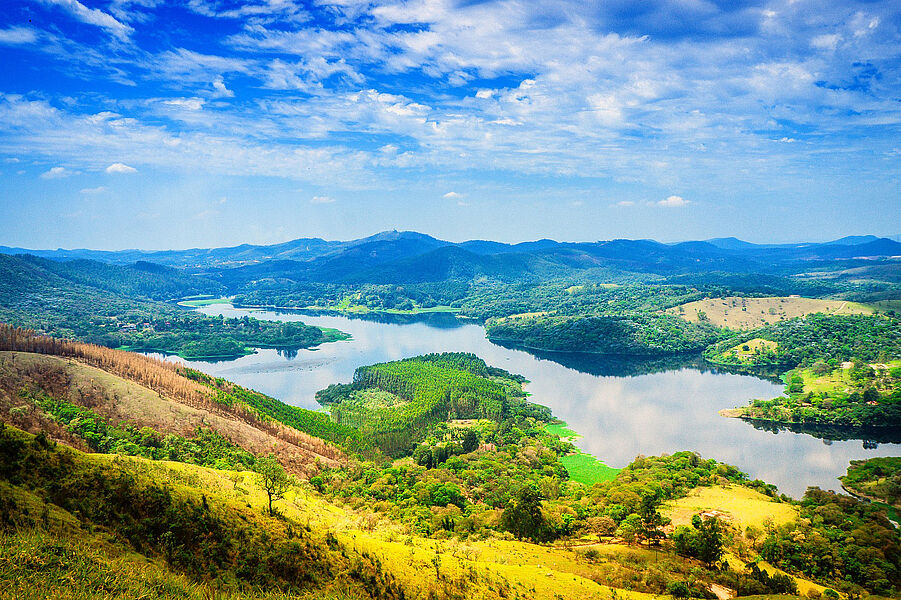
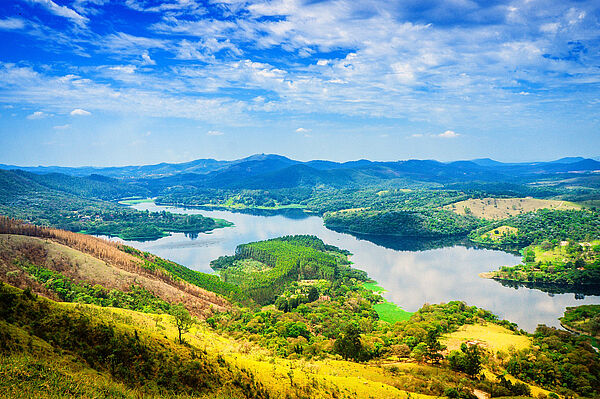
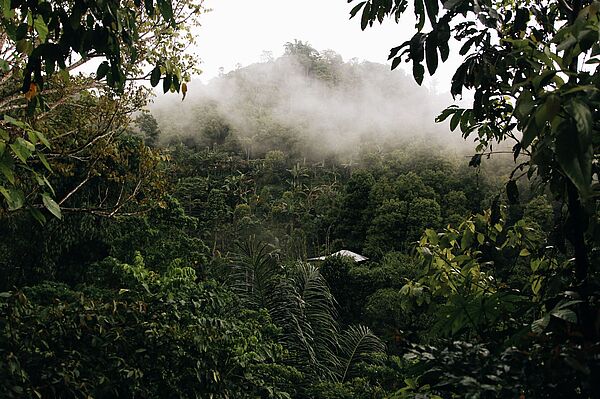
The growth and development of our civilisation are based on the use of biological diversity. Human survival has depended on the use of plant species, particularly for food and medicinal purposes. Natural products are the most traditional source for the development of new medicines. Taking all approved medicines into account, 67% are either a natural product, a semi-synthetic derivative, a macromolecule isolated from an organism, or a pharmacophore group inspired by a natural product. Natural product researchers have investigated the medicinal properties of plants and made great strides over the last century in terms of biosynthesis, ecology and the enhancement of biological properties. The biodiversity of tropical and equatorial environments is abundant and offers great potential for the search for biologically active compounds that can serve as models for the discovery of active ingredients and medicinal chemistry. Brazil encompasses six terrestrial biomes, whose biodiversity accounts for approximately 10% of all living species. The associated chemical diversity can be utilised for the development of bioproducts, such as pharmaceuticals, cosmetics, dietary supplements or agricultural pesticides. The chemical diversity of these biomes is reflected in a wide variety of compound classes and structural types of secondary metabolites from plants, fungi, insects, marine organisms and bacteria. Scientific information published over more than 50 years of studies on Brazilian biodiversity becomes more accessible when it is standardised, certified and organised within a knowledge graph.
Initially, NuBBEDB was created as a database for compounds from Brazilian biodiversity with the aim of collecting their chemical, biological and pharmacological information. NuBBEDB contains data on 2,218 compounds, estimated to represent approximately 5% of the published information on natural products isolated and identified from species collected within Brazilian territory.
As part of the project, we aim to investigate the challenges arising from the creation, management and use of a biochemical knowledge graph using Semantic Web technologies, with a focus on the exploration of new natural products using the NuBBEDB database. We aim to improve the quality of the datasets by structuring them using taxonomies and ontologies based on the RDF standard and integrating them with other datasets available in the Linked Open Data cloud. Furthermore, we propose to improve the management and distribution of datasets by introducing versioning and licensing, and to apply machine learning to this high-quality information in order to create better AI models for the discovery of natural products.
The project consortium consists of three institutions:
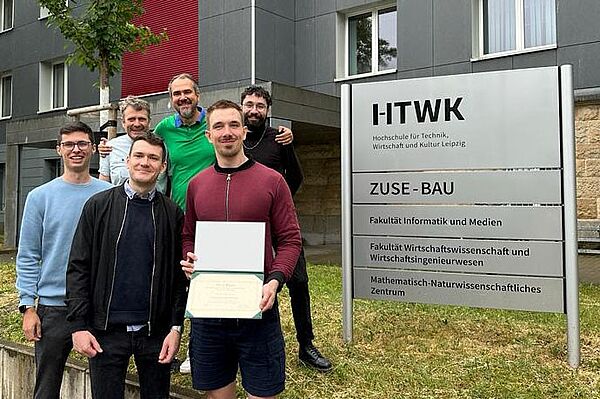
- Leipzig University of Applied Sciences (HTWK) with the Agile Knowledge Engineering and Semantic Web research group – HTWK/AKSW
- Institute of Chemistry, São Paulo State University – UNESP (Prof. Vanderlan da Silva Bolzani)
- Institute of Physics of São Carlos, University of São Paulo – USP (Prof. Adriano Defini Andricopulo)
The project partners take on different roles within the Linked Data Lifecycle in the development of the Biochemical Knowledge Graph (BKG):
- The AKSW research group at HTWK can build on existing expertise in the construction and management of knowledge graphs to investigate data management within the BKG. Data extraction, storage, linking, data development, publication and licensing of the BKG will be carried out.
- The research groups at UNESP and USP will focus on data development, exploration and creation.
- UNESP will further develop the dataset, keep it up to date, and provide content-related feedback during the development of the BKG.
USP will focus on researching better machine learning models for large-scale drug discovery.
Quality analysis will be carried out alongside seasonal reports and research articles.
Knowledge transfer to other databases:
- The project’s research results, including scientific methods, approaches and a platform for the Biochemical Knowledge Graph, are intended to be applicable in future to the implementation of other projects in countries with high biological diversity in Africa, Asia, Europe, Oceania and South America, as well as in other databases that do not use the RDF standard.
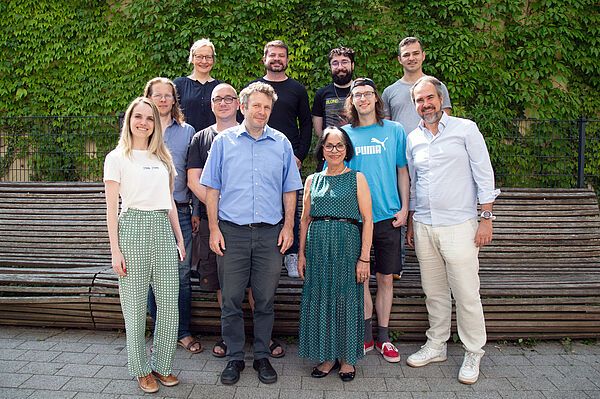
Project team
- Section:
- FM
- Phone:
- +49 341 3076-6413